Today a friend sent me a beautiful satellite photo of Europe’s Southern coast. It is quite fascinating to see all the way from Tunisia and Sicily, in the South, to Stockholm, Helsinki and St Petersburg, in the North. We might even have a glimpse to the Western part of Ukraine, as this country is about to change its shape.
I couldn’t resist to share it with you, to show how well located we are from a sailing perspective, at the crossroad of so many great sailing routes.
If you have some boat work to plan before your summer sailing plans, give us a call. We have a 300 t travel lift and some space on the hard, plus a highly skilled and motivated team.
February and March are always a busy season for us, when every owners needs their systems checked before planning for their summer cruise.
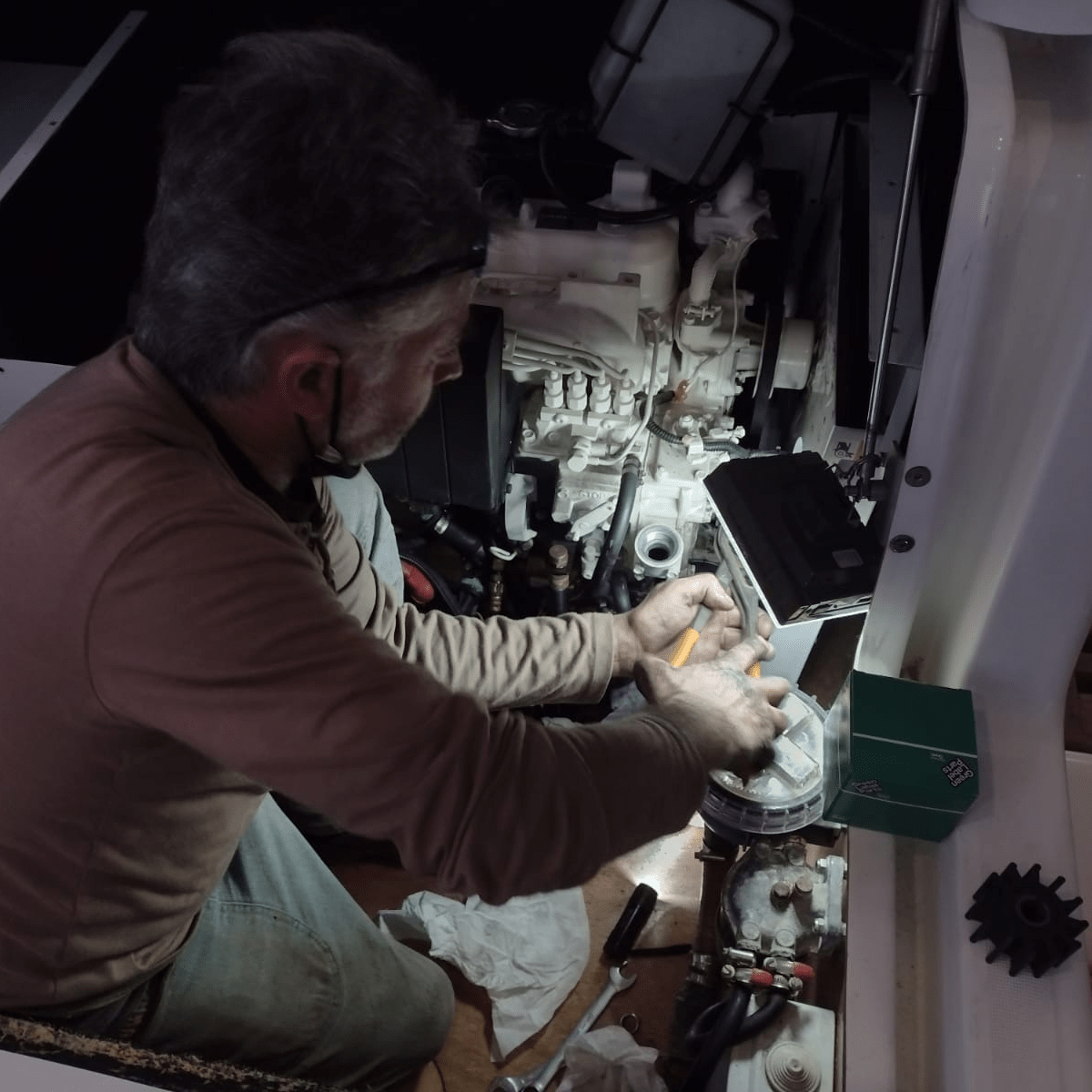
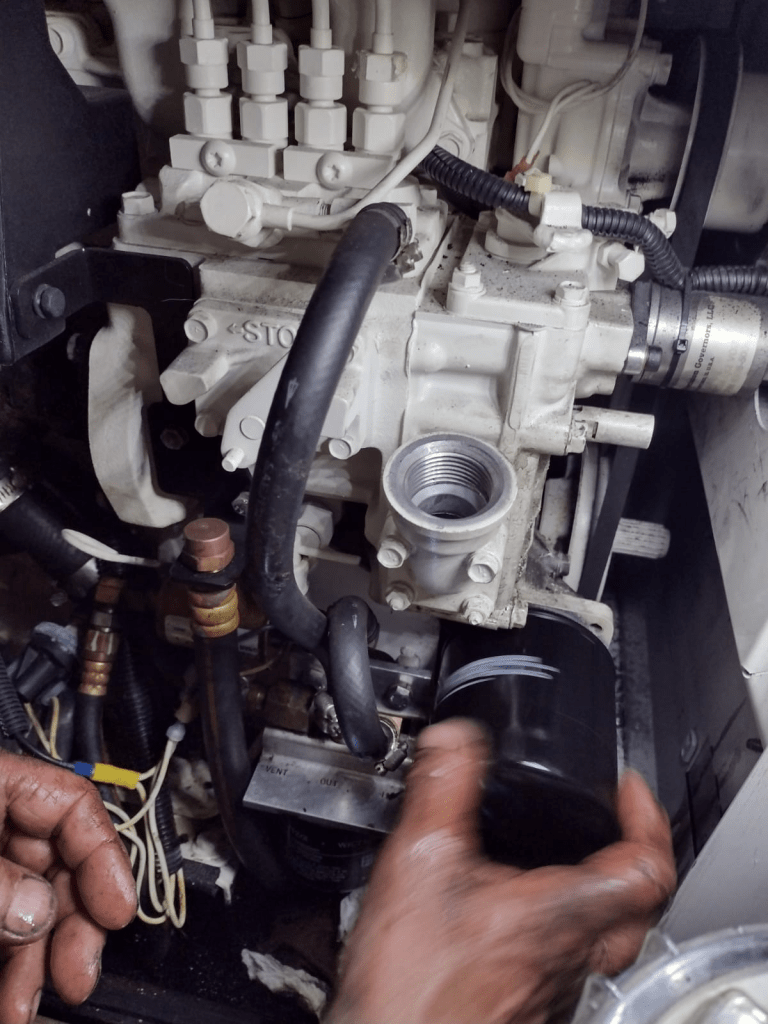
We had done some jobs in the past on s/v Be, a beautiful Lagoon 42 which spend winter in Marina Cala del Sole. So when its owner Jorge came to us for a global engine check, we where happy to organize it, starting with the Cummins-Onan Genset.
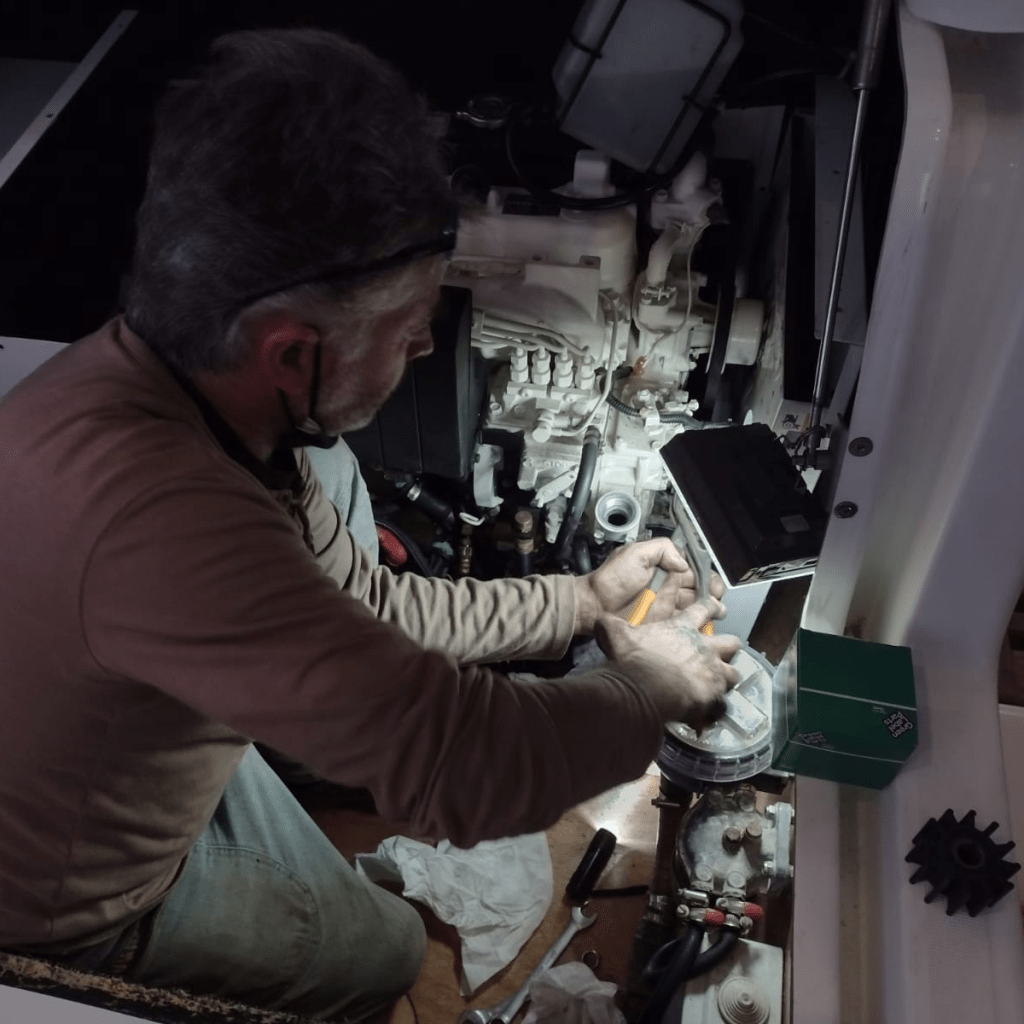
Meet Angelo, whispering to the big Cummin-Onan (13.5 kWe).
Needless to say that after Angelo’s care, the Genset was purring like a cat, and we called it a day, ready to care for another engine.
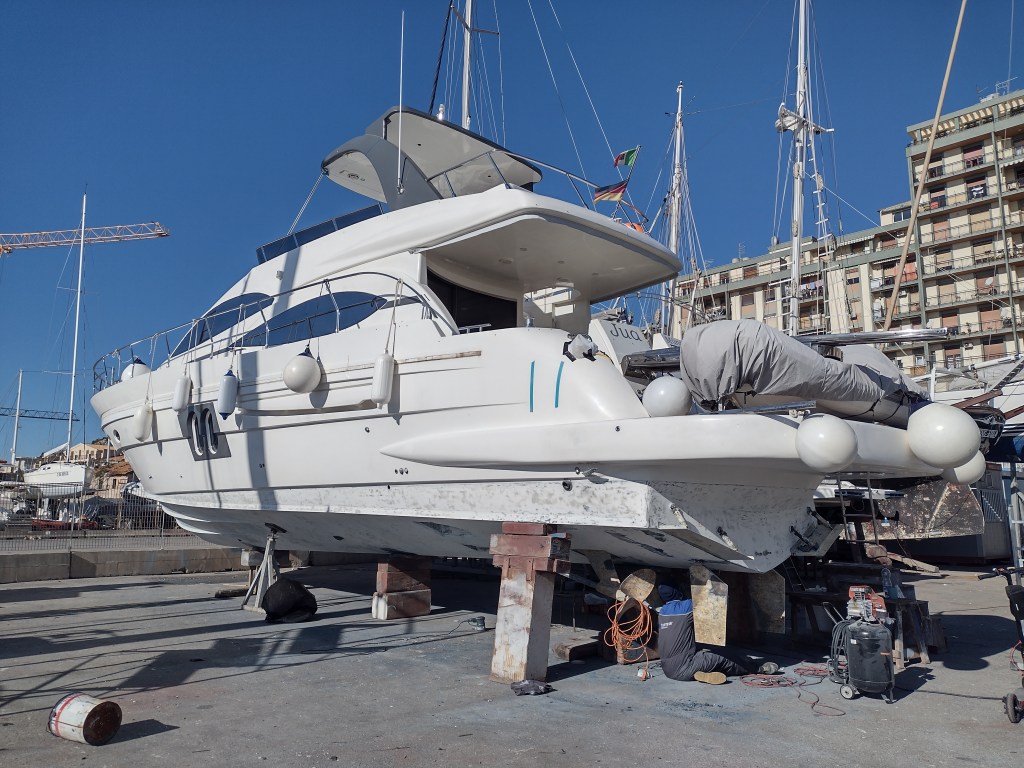
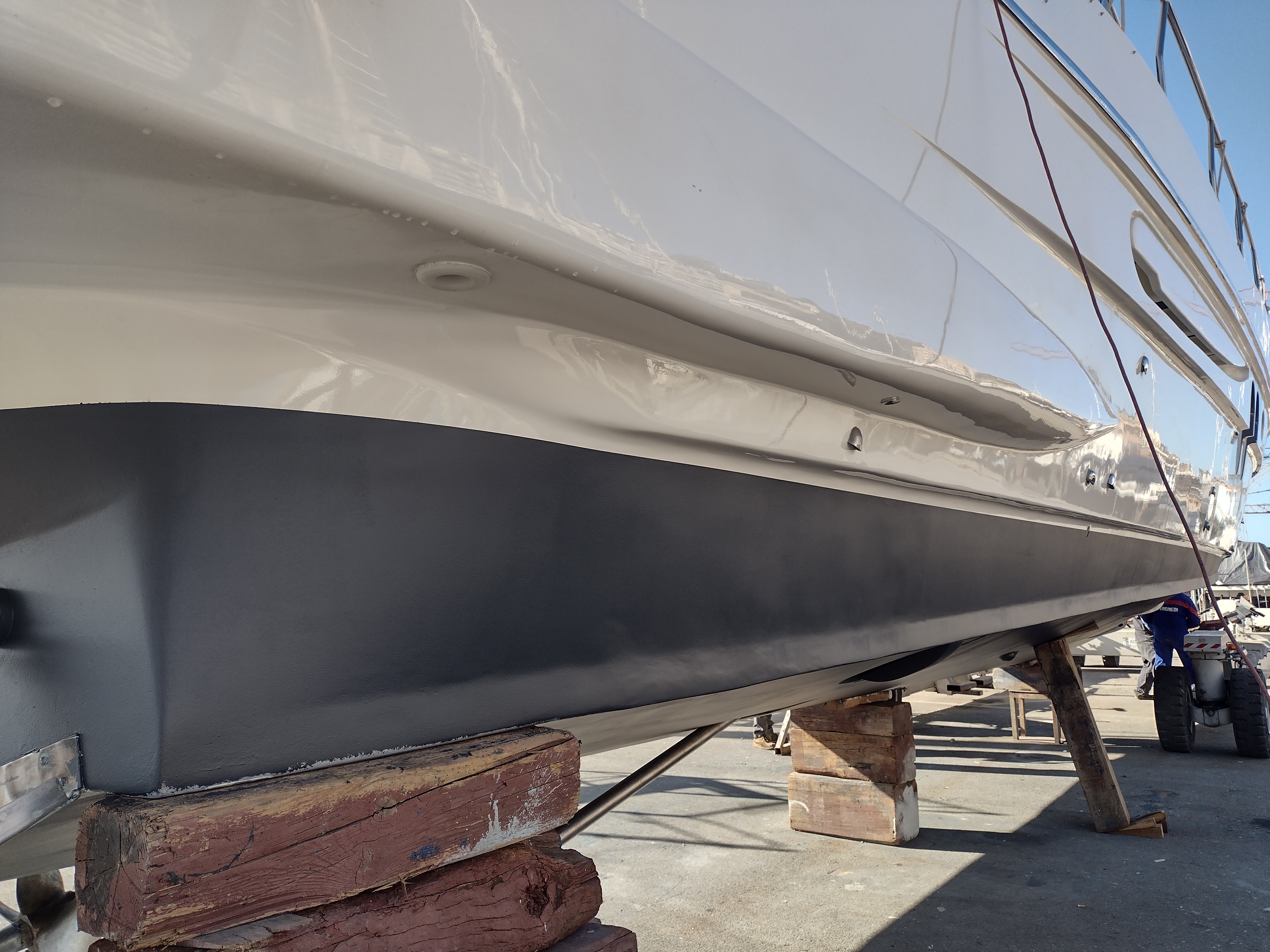
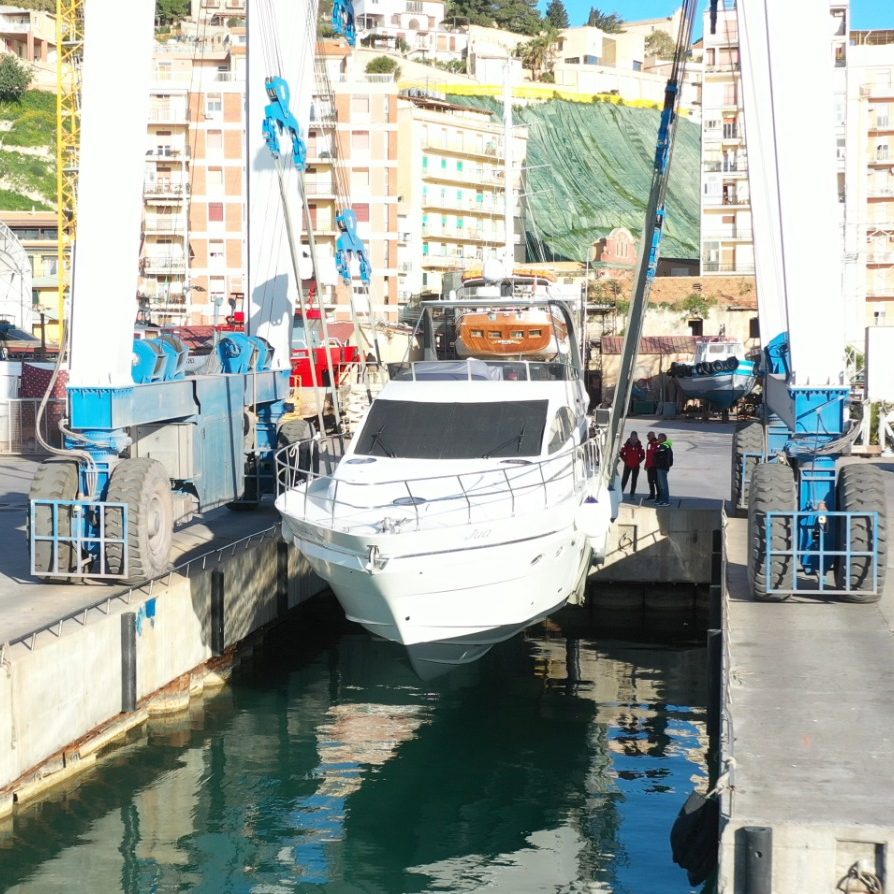
The owners of m/v Jua wanted to spend some time in Licata for a long list of work, including hull treatment, propelling systems and some inside work also, not the least being the complete galley renovation.
As for the hull, there is nothing more satisfying than a before/after view.
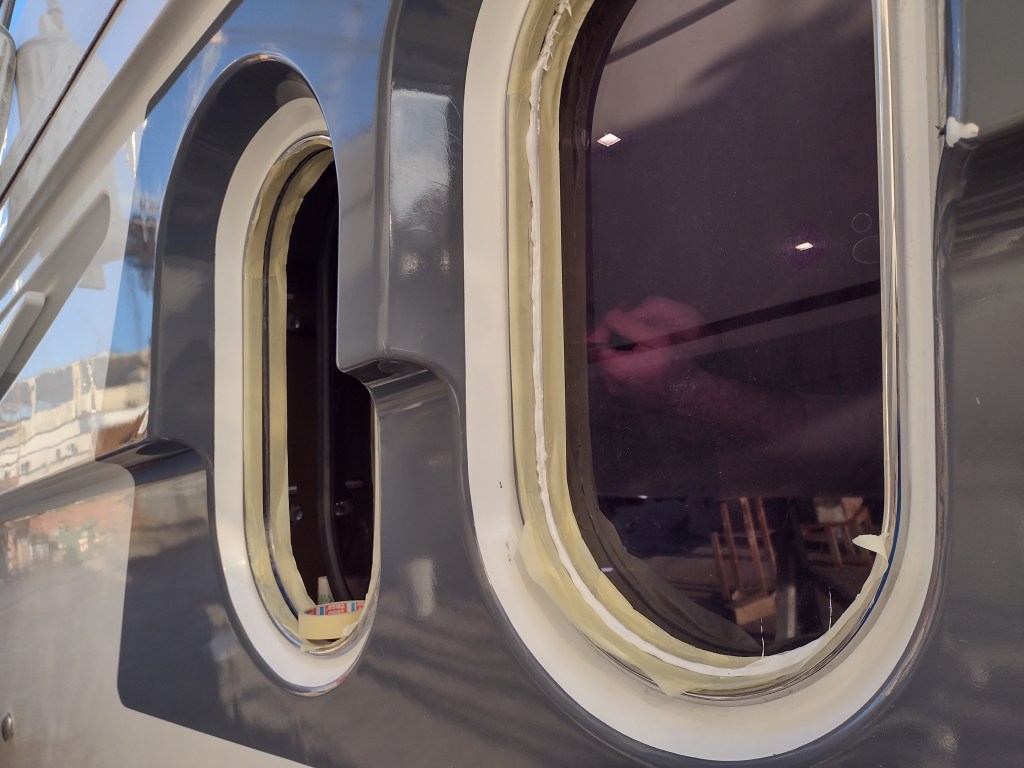
We renovated the hull portholes, and they looked absolutely stunning.
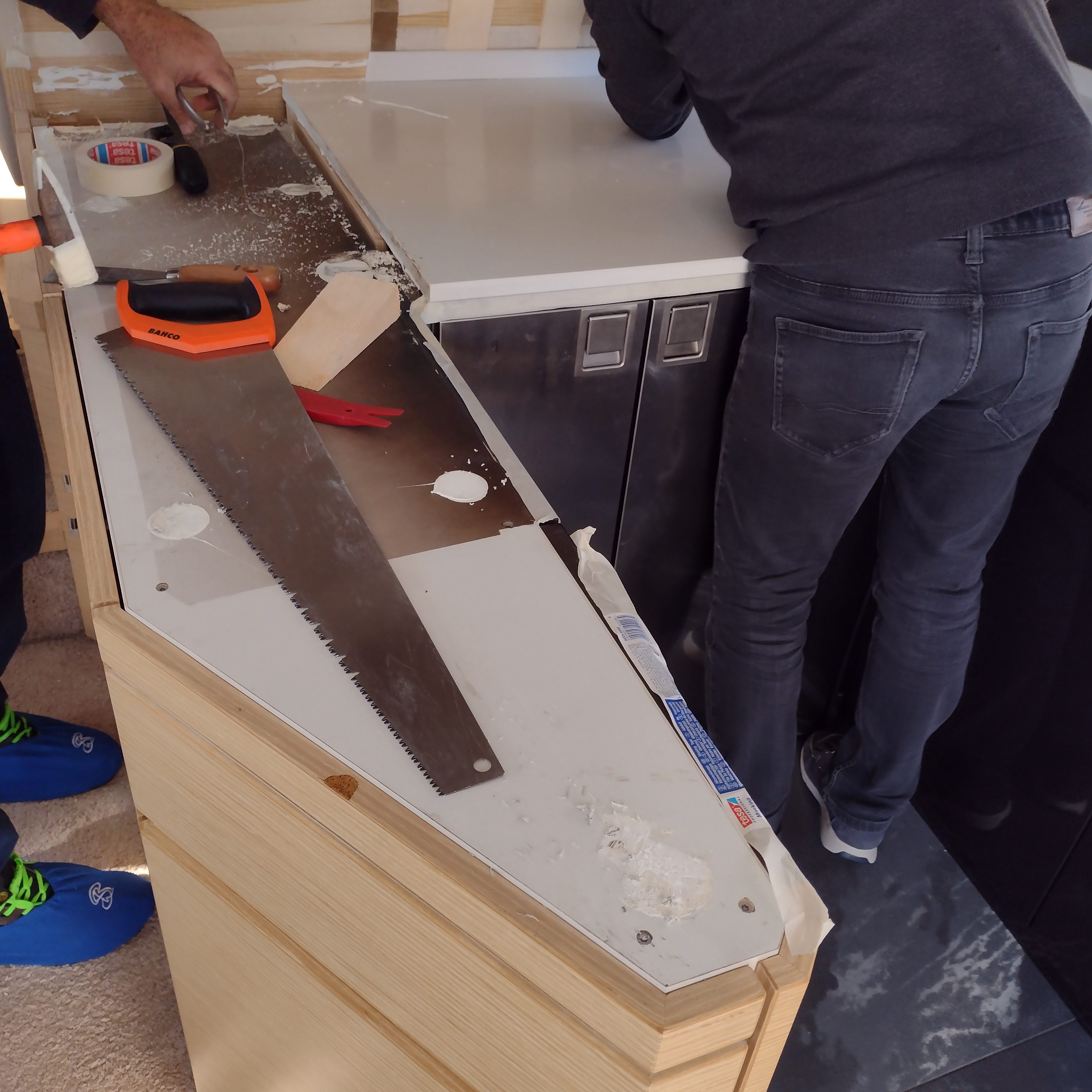
Inside, the most demanding work was to rebuild the galley. At this stage, it is an ongoing process, and we’ll come back to you later when the beautiful topside which was chosen will be installed.
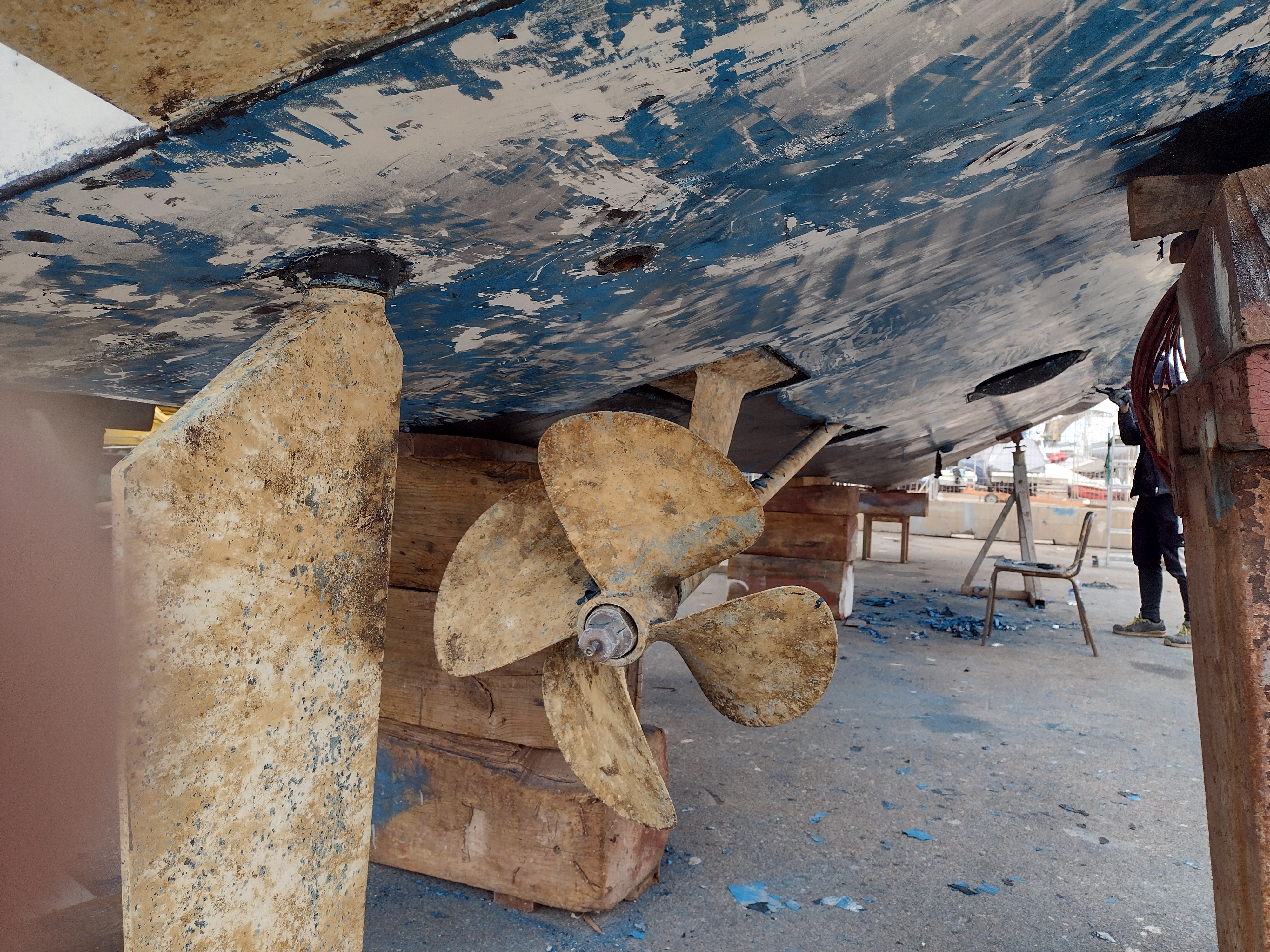
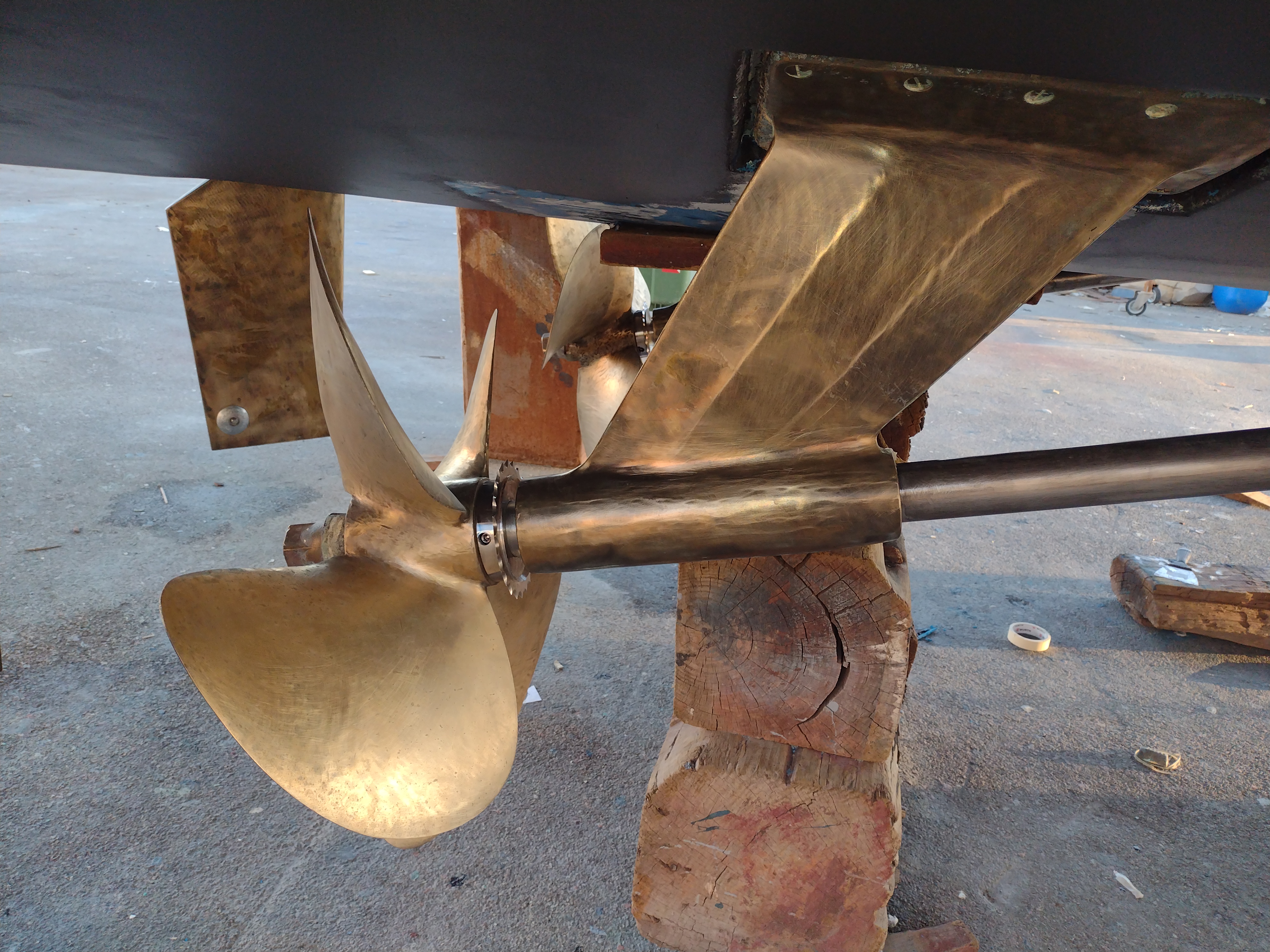
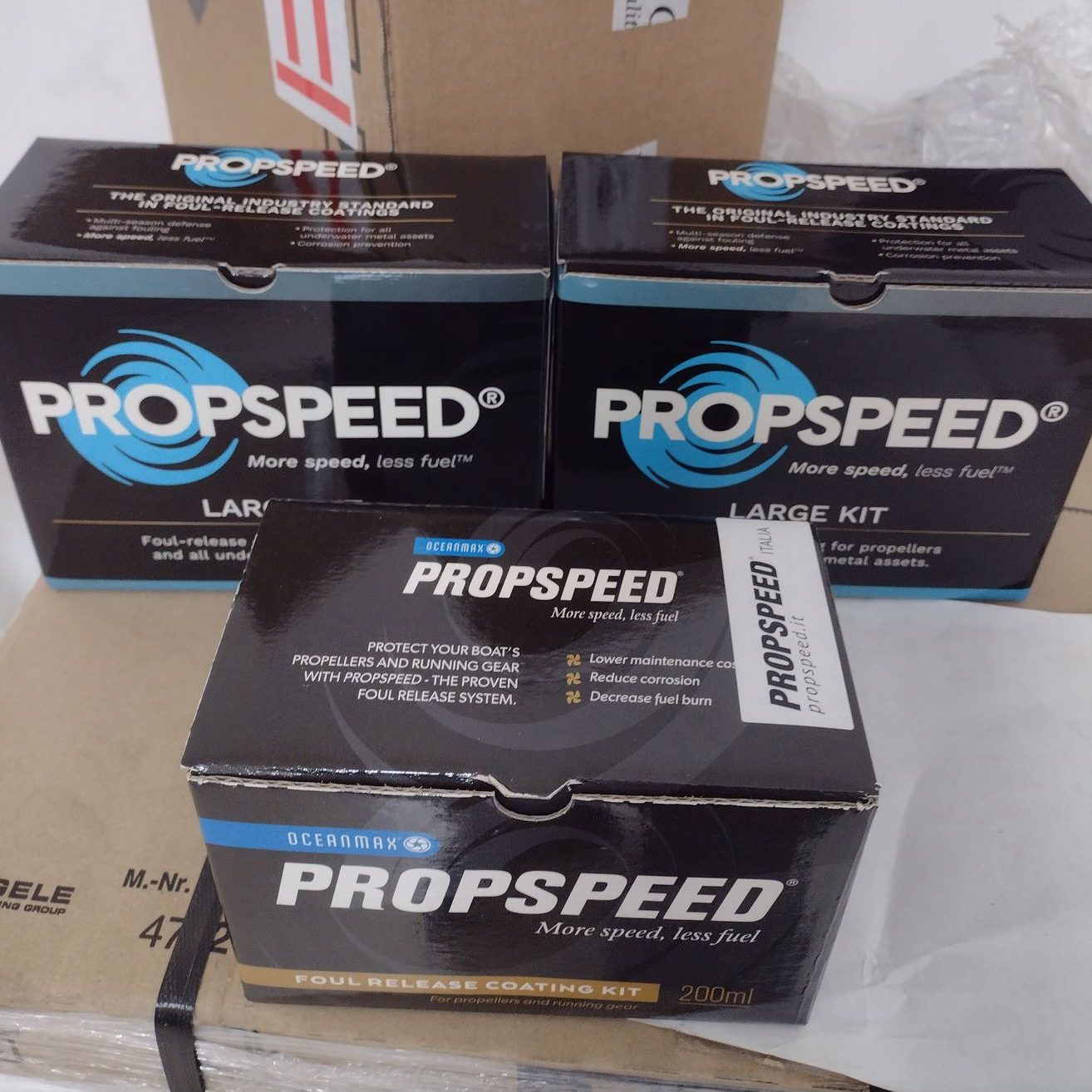
On such a boat, the propelling system is quite impressive. After a conversation with the owners, we decided to use Propspeed, from our experience one of the best foul-release coating.
On the large propelling systems of a motor yacht, it is quite a delicate work:
Abrade all metal surface to an 80 grit profile
Clean with special wipes provided by the treatment (PropClean, then PropPrep)
Thoroughly mix the primer base before adding the hardened
Add the hardener
Apply 2 coats, using foam rollers and brushes (vendor recommends 3 to 5 mn between coats, but for us, colder winter months = more time)
Proceed with the clear coat as soon as the Primer is dry to touch (this time with brush only, no foam rollers)
Wait overnight for the drying, longer depending on temperature, and the vendor recommend over 24h before going back into the water. In our case, we waited 48h as we had some other tasks to complete inside the yacht anyway
We can’t wait to get a direct feedback on performance and fuel consumption, but at this stage, looking at the before/after photos, we can already say they are a stunner!
All in all it has been a very satisfying project for our little team. We were both proud and relieved that we completed it on time, as we all watched the boat being put back into the water for their owners to enjoy.
We’ll make a future post on our experience with Propspeed, which we used to protect the propelling system of this yacht. We started using this coating in 2020, so we’re now seing owners coming back to us and asking for more.
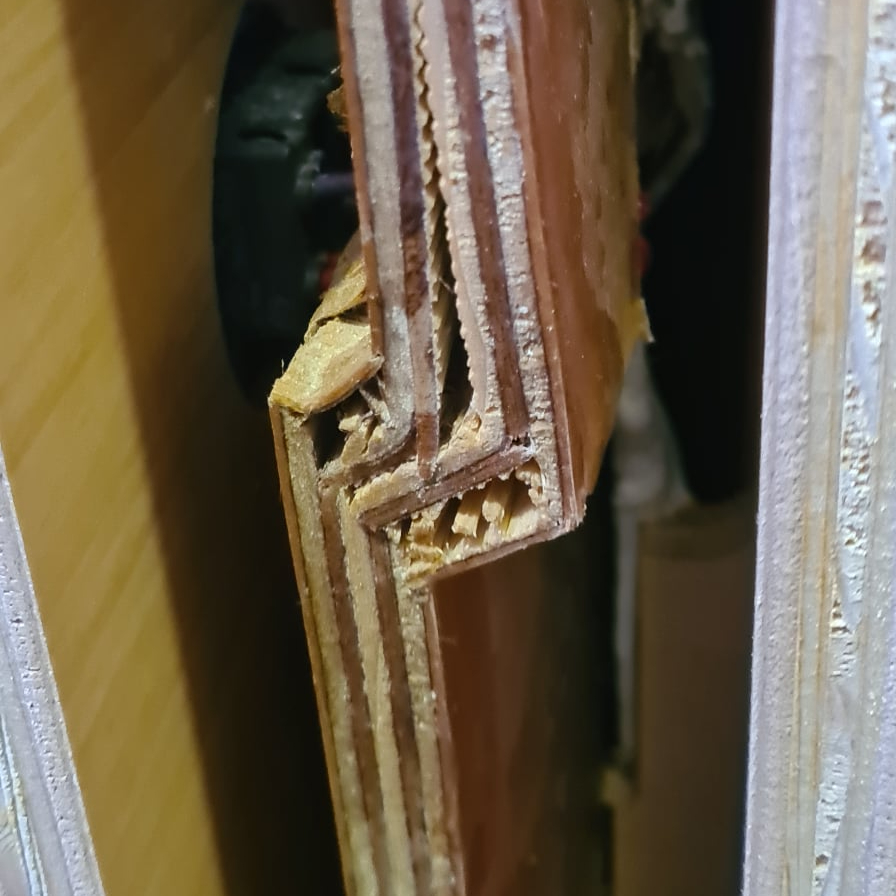
2020 was the year the Lagoon 450 “bulkhead-gate” got public. Basically, it seems many units in this range are affected by a flaw which would break the plywood front bulkhead. As there are over 1000 units of this range sailing all around the world, this topic quickly became the hot potato between Lagoon dealers and Lagoon technical support. In the meantime, owner’s group were created in various social platform, trying to assess the seriousness of the situation.
“We can reassure you that forward bulkhead issue is not a safety issue. It still may become unpleasant if the reinforcement is made late, since bent or buckling bulkhead will only transfer the stress elsewhere”
Thomas Gailly Lagoon Brand Director
Since then, there has been a increasing demand for bulkhead inspections, and we already ran quite a few, between Marina de Ragusa and Marina Cala del Sole, both very welcoming toward Catamarans, thus Lagoon brand. We follow the Lagoon tech support guidelines, as described in the following document.
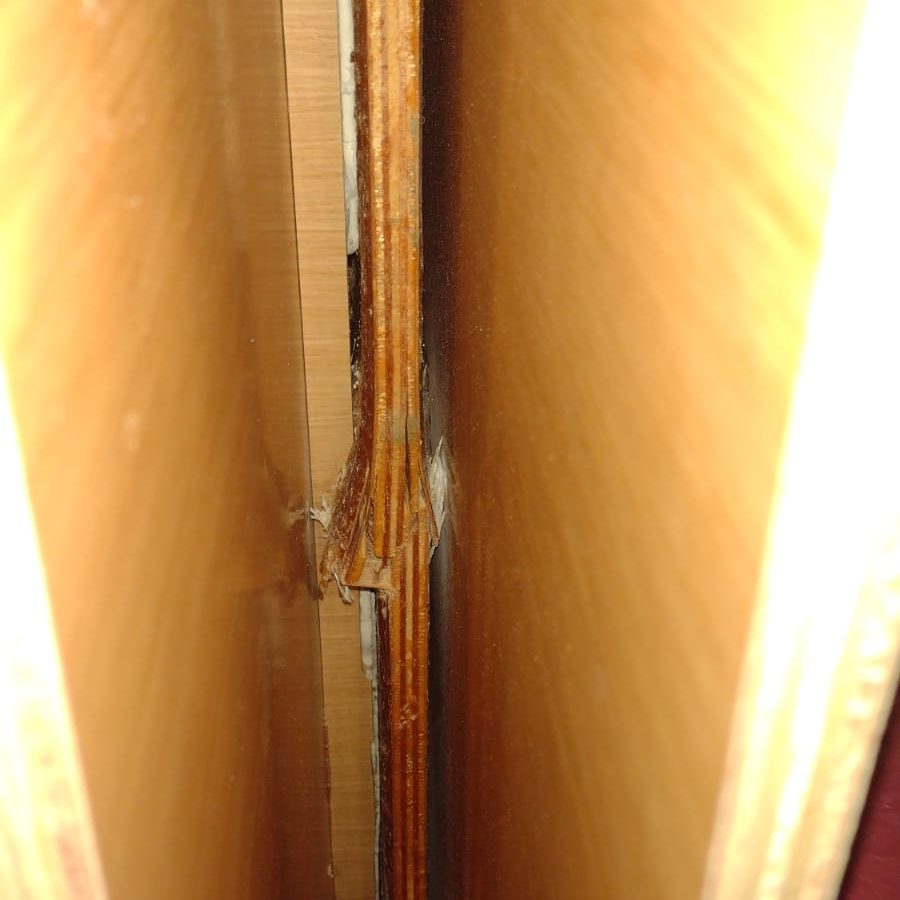
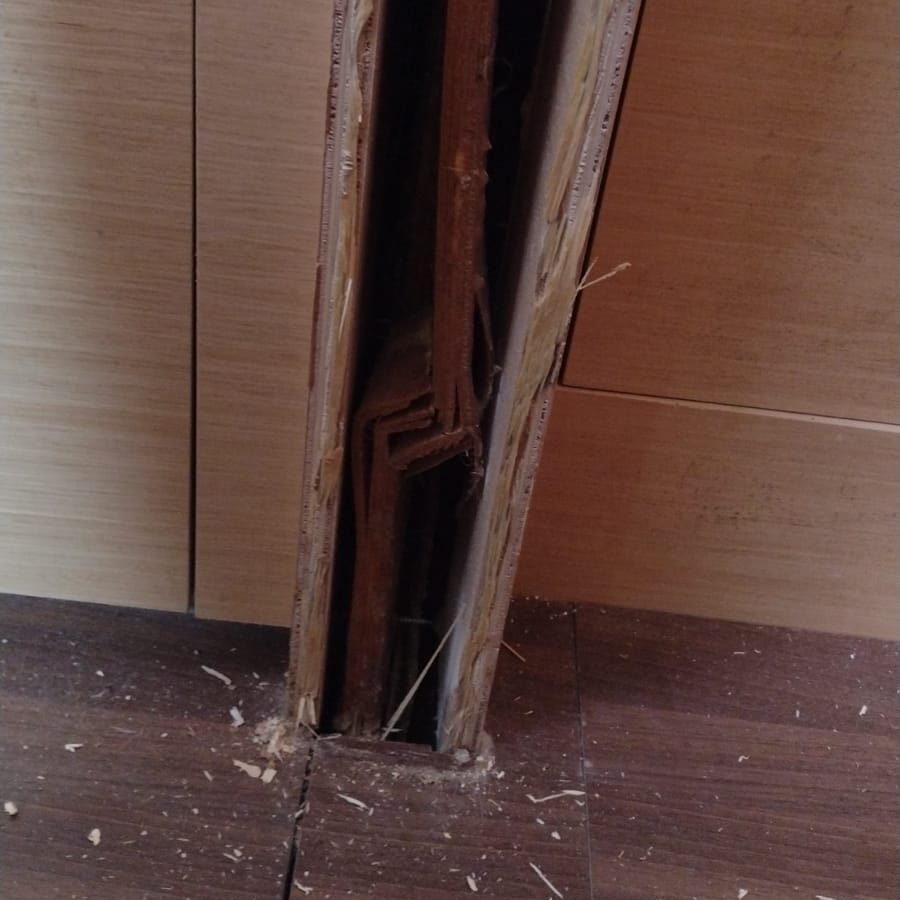
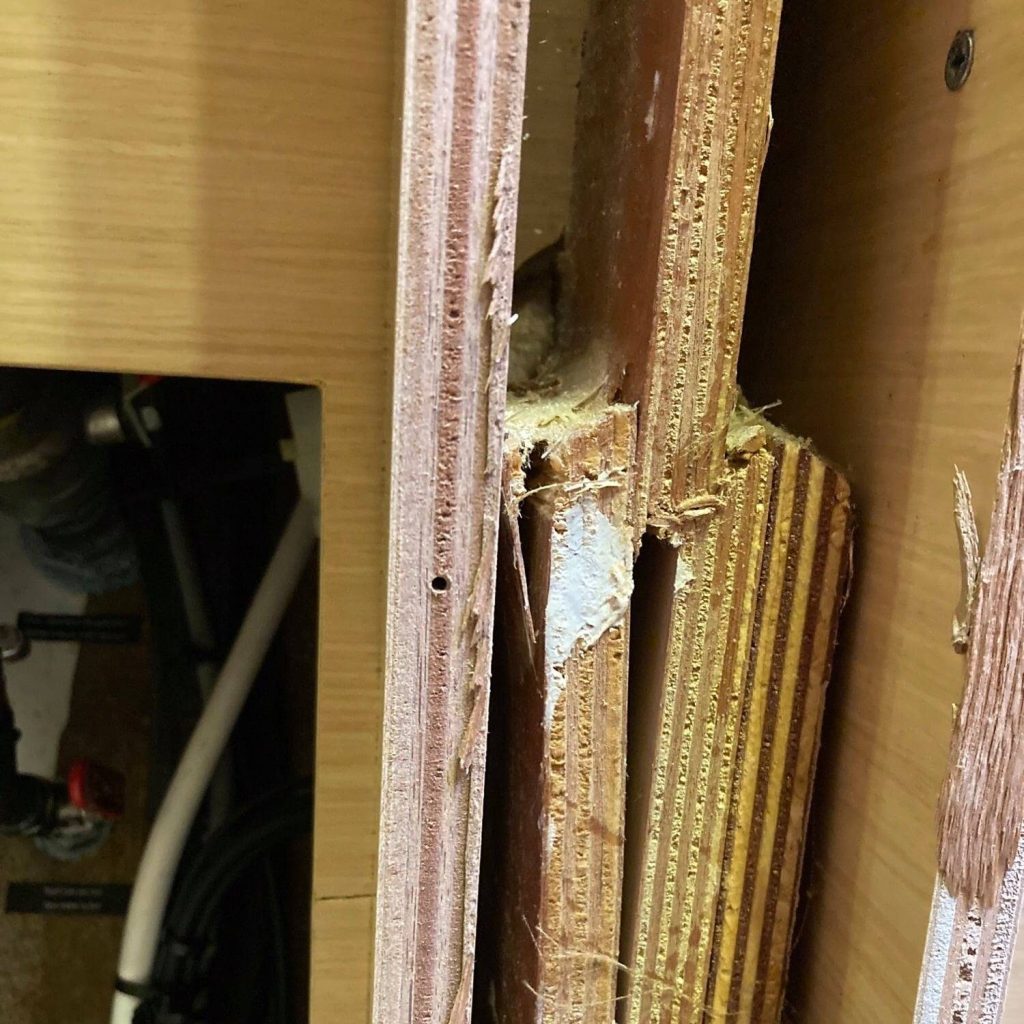
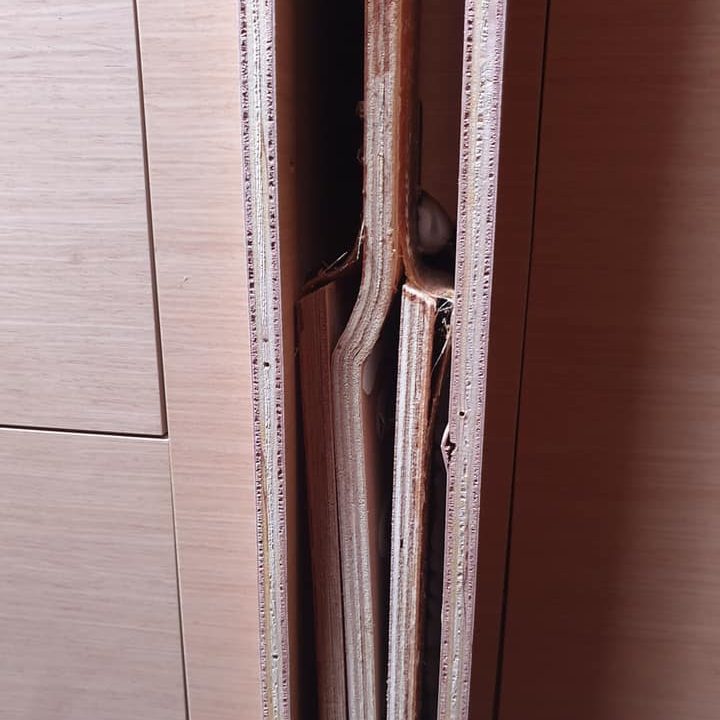
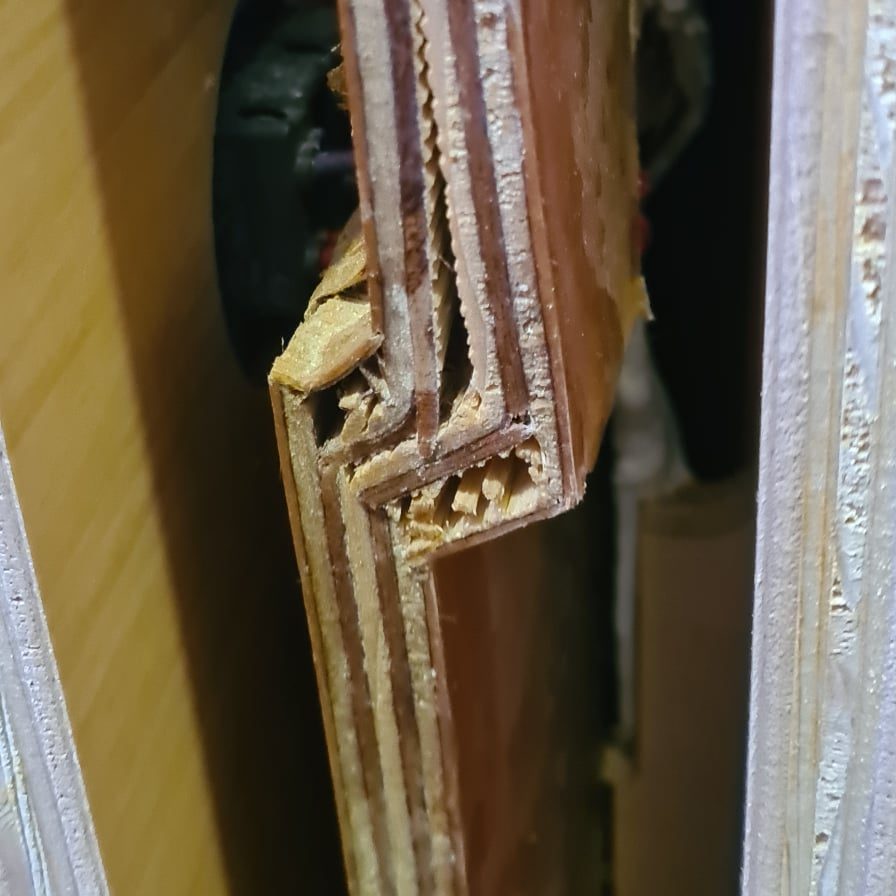
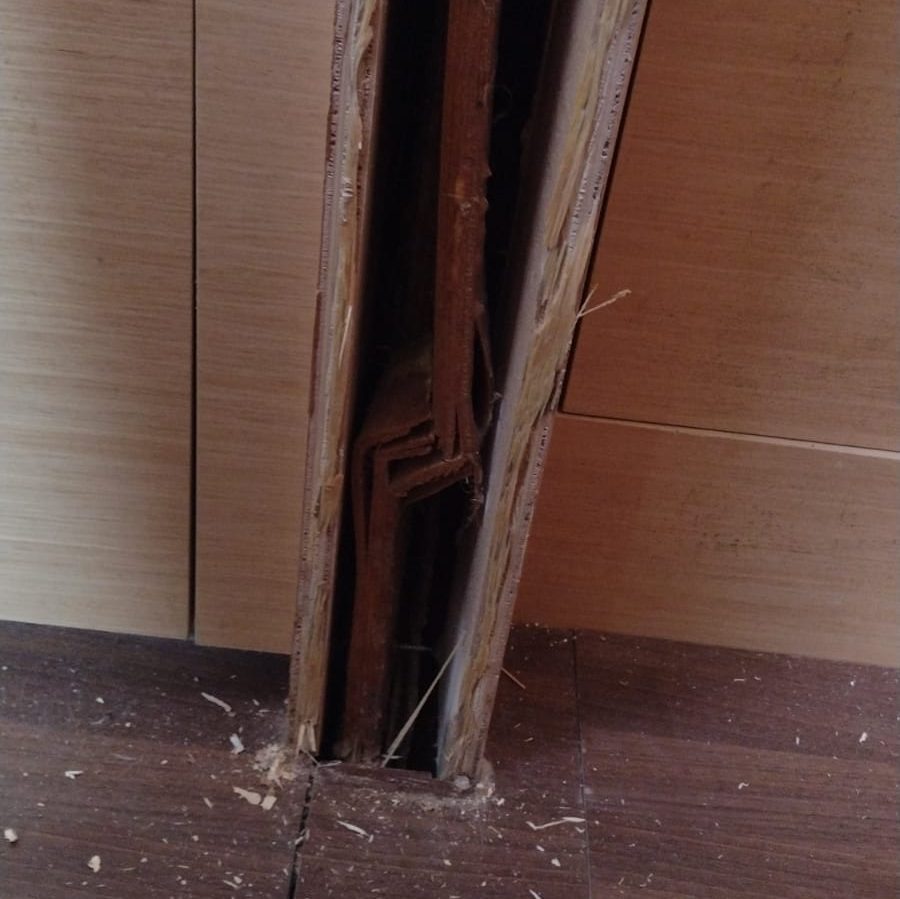
On our last inspection, this is what we found for the front bulkhead, as checked from the starboard side. Obviously this boat is affected by the issue and will require the repair kit provided by Lagoon.
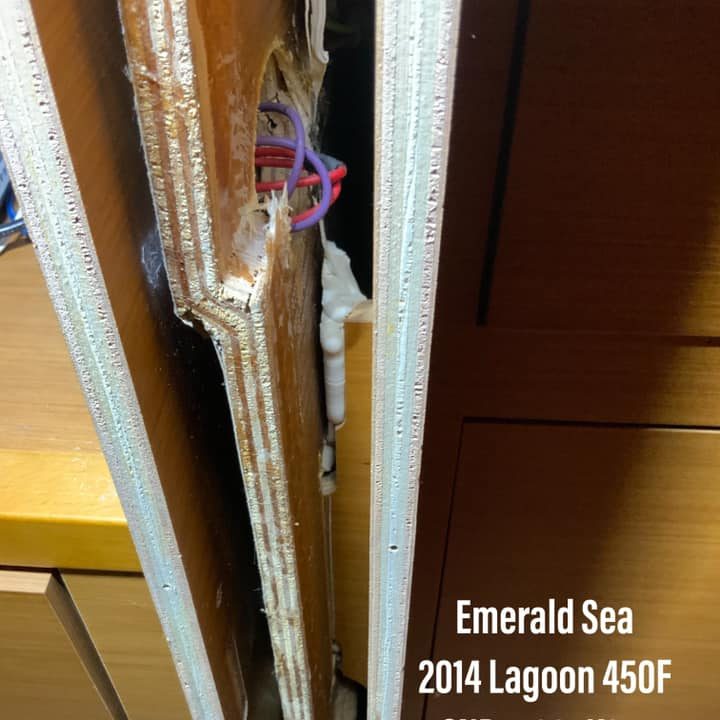
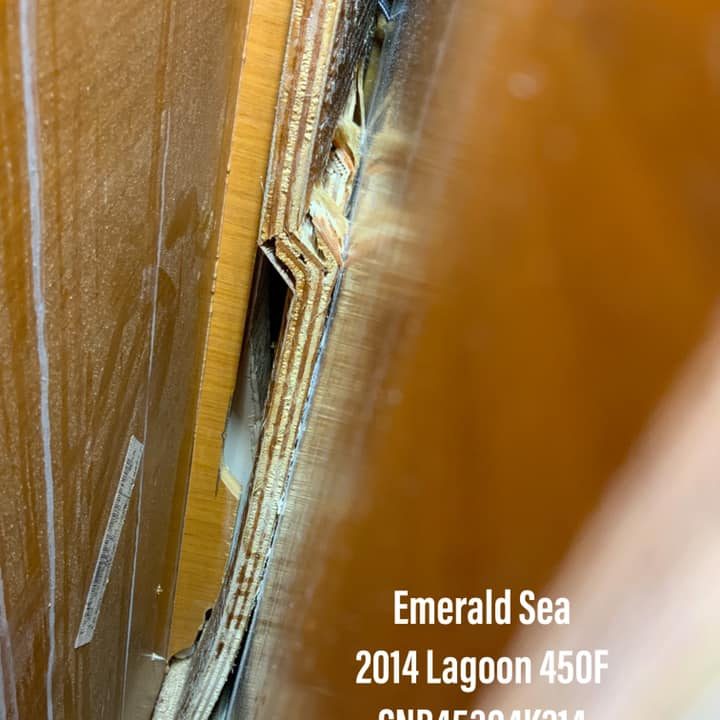
And now the inspection on Port side. This unit will definitely need the Lagoon reinforcement kit.
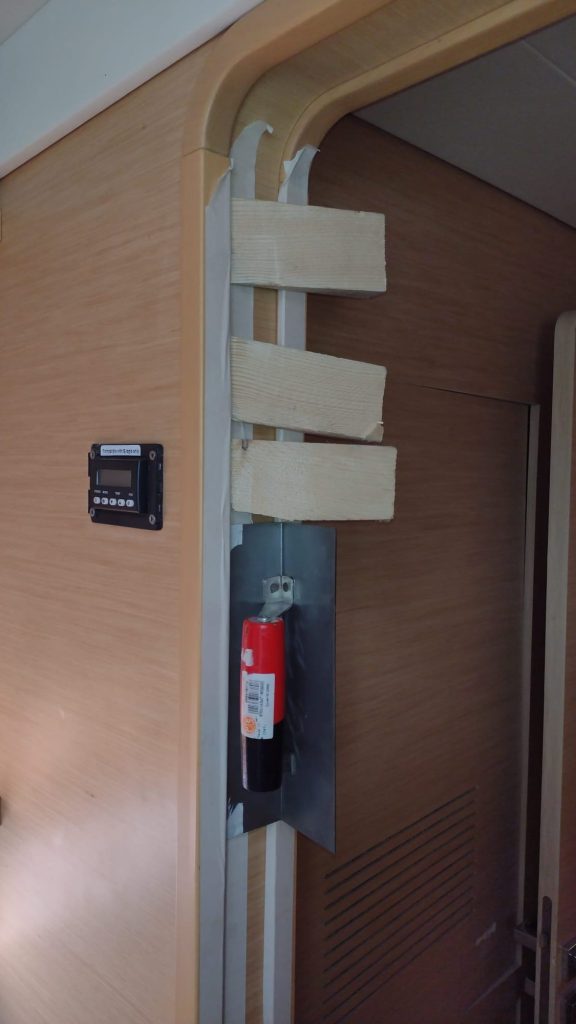
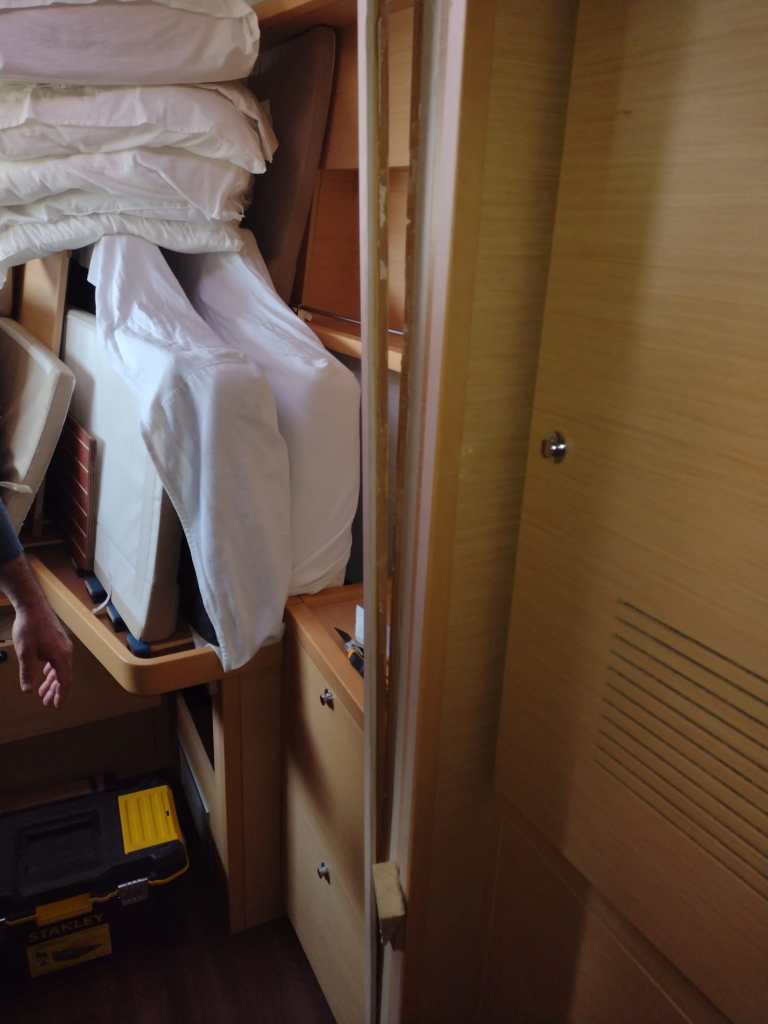
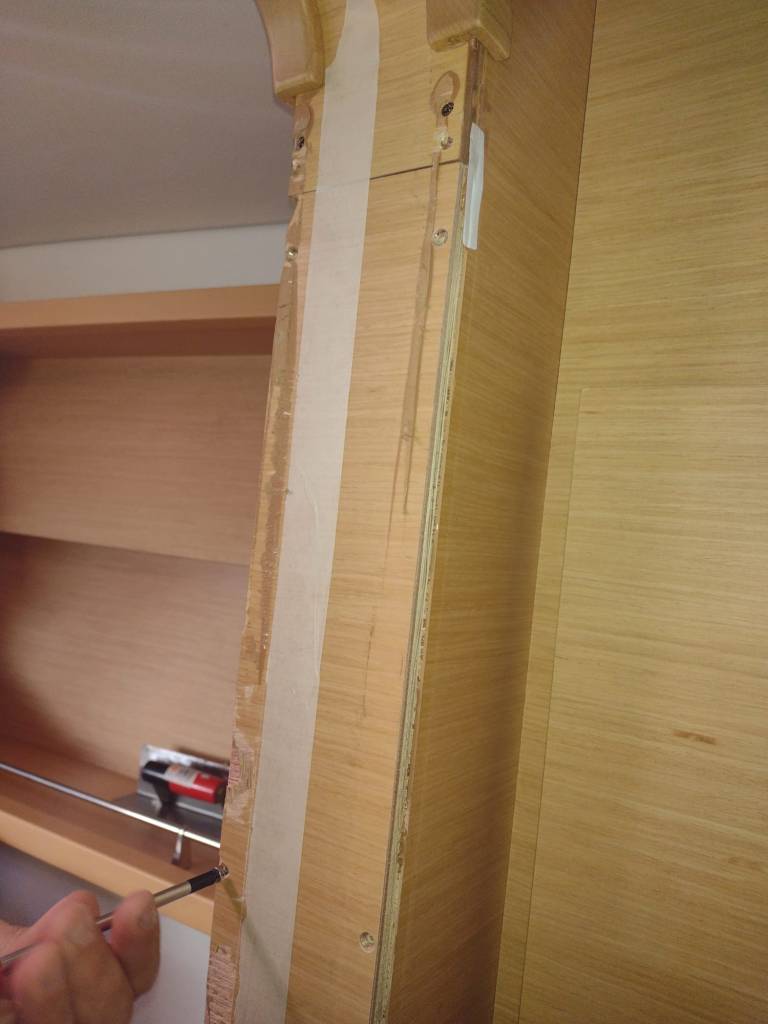
It’s not easy to show a step-by-step process to access the bulkhead for visual inspection, but we tried to share a few photos here.
As we received an increasing number of bulkhead inspection on this Lagoon 450 range, we conducted some quick online research to benchmark what we found. In this respect, this hull seems to be in the average of what can be found online on units reinforced under Lagoon’s tech control.
In a future post, we will document how we conduct the bulkhead reinforcement, under Lagoon’s supervision, as we are now waiting for their response. In the meantime, we share here a document we found regarding how hull #784 was reinforced on its starboard side.
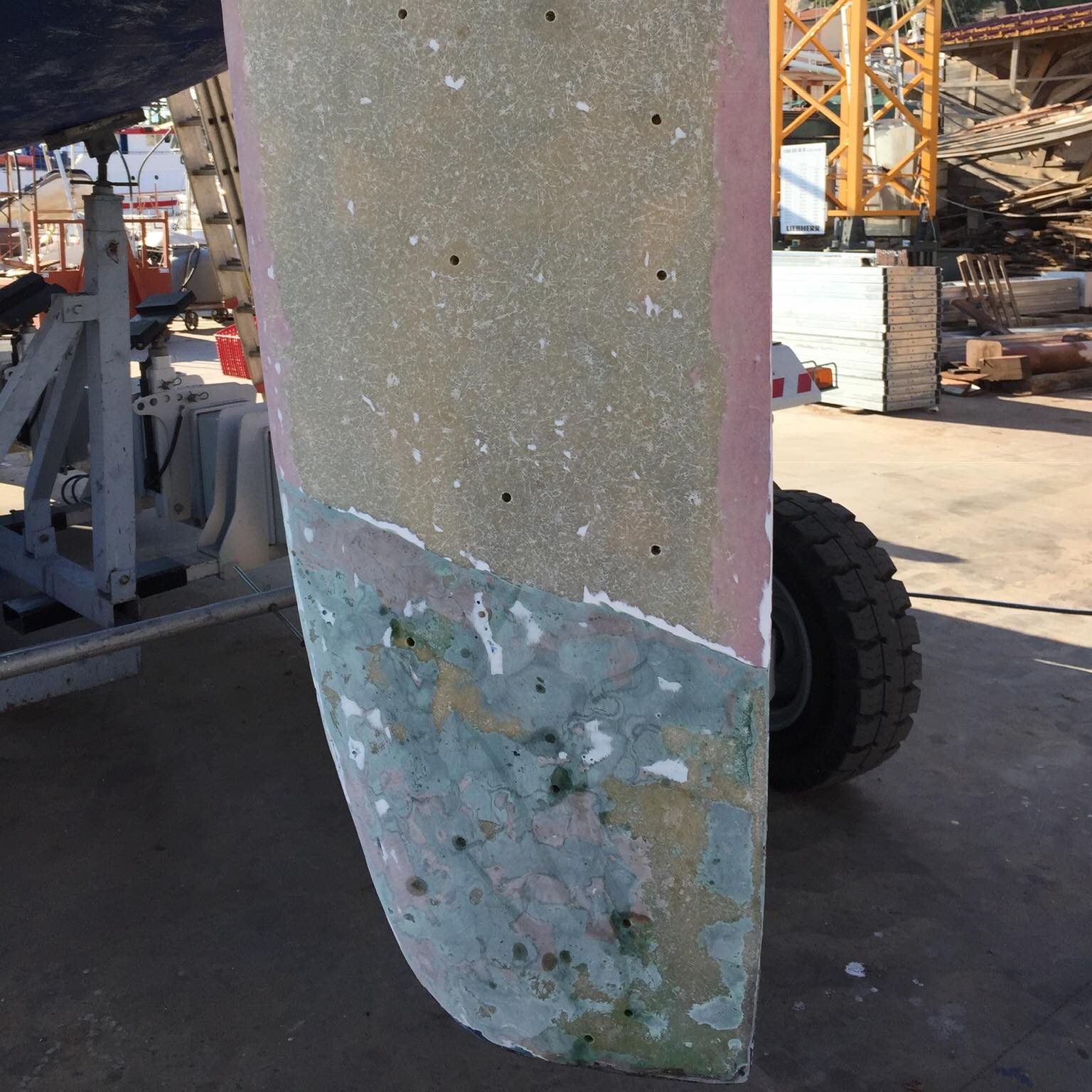
This was a very interesting project an owner came to us with. After taking out his boat for its regular hull maintenance, we realized one of its rudders was full with water, initiating a very high risk of definitive damage due to osmosis.
Instead of changing the rudder, we proposed a deep treatment involving opening the rudder structure and rebuilding it as it was with fiberglass, after thoroughly drying out all the water.
Bringing the rudder to our workshop, we used our Skinder digital humidity detector to confirm the high risk of osmosis.
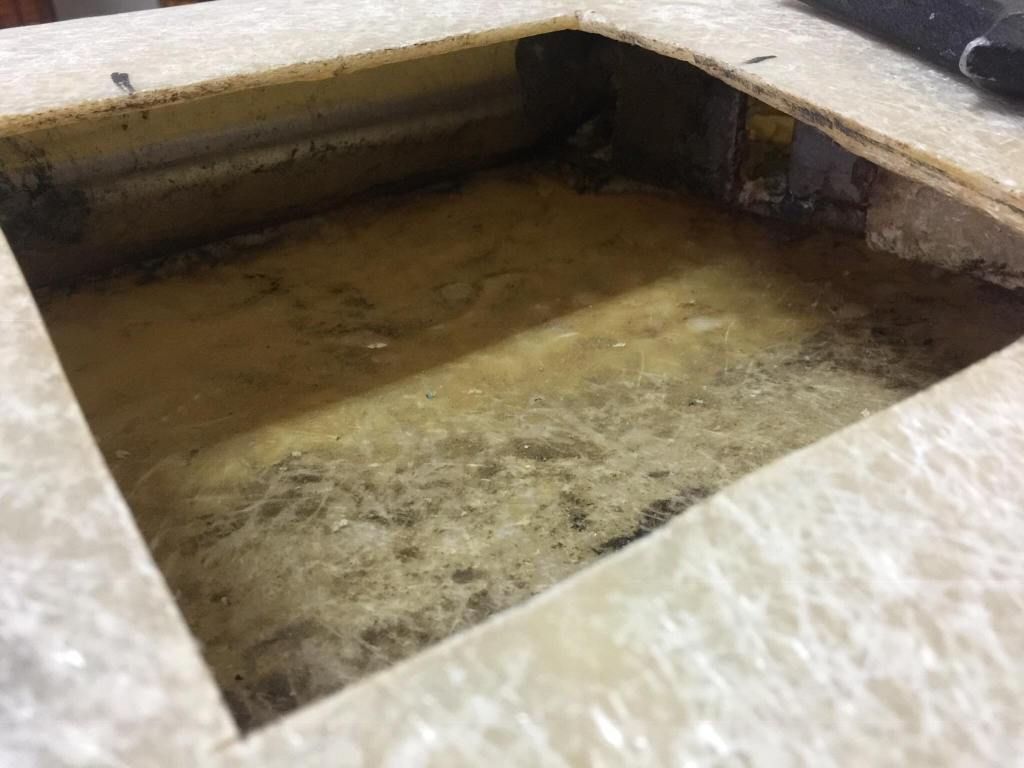
We opened up the rudder structure so that we could proceed with a complete dry-out of its structure.
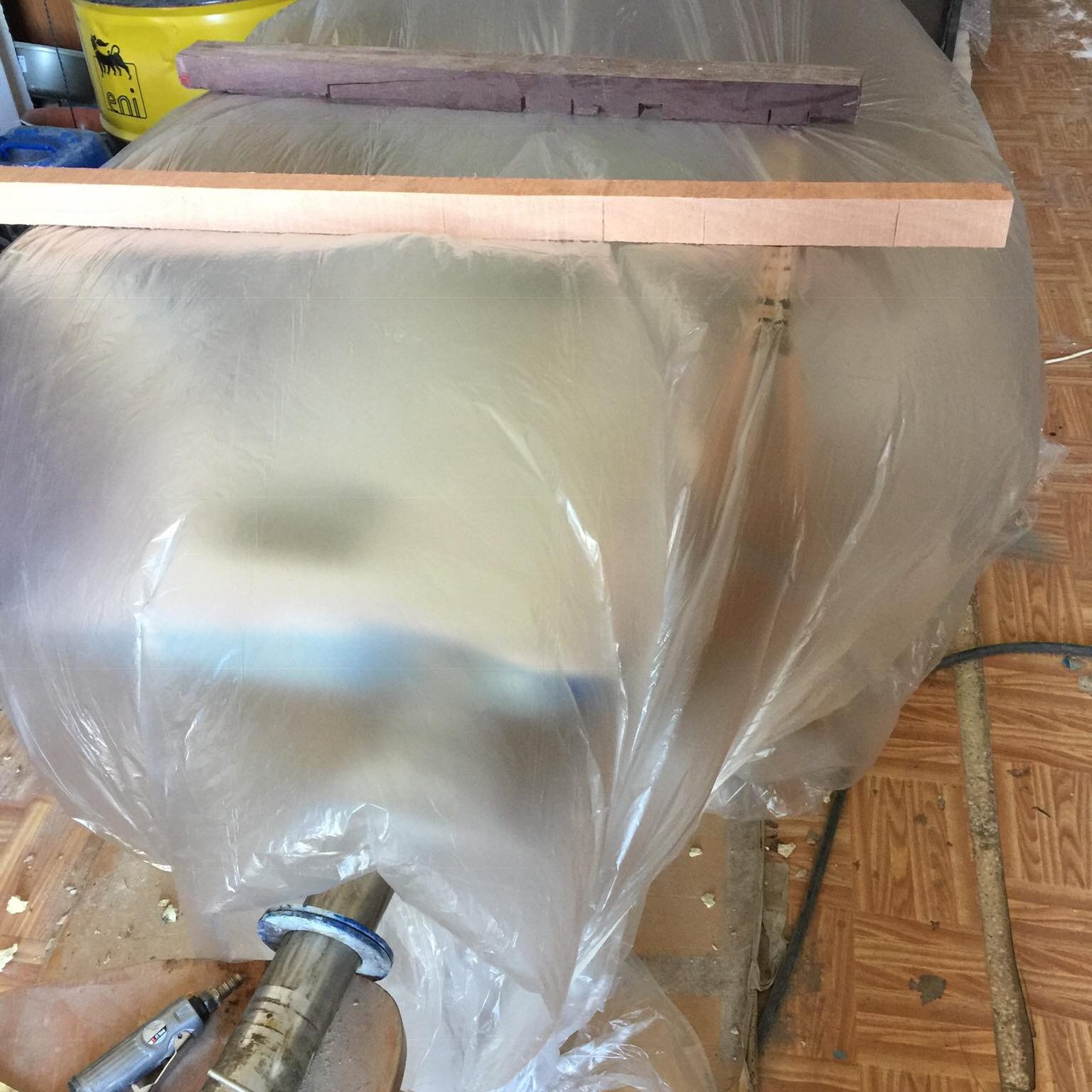
The best way to insure all traces of humidity are gone is to set up a blowing system.
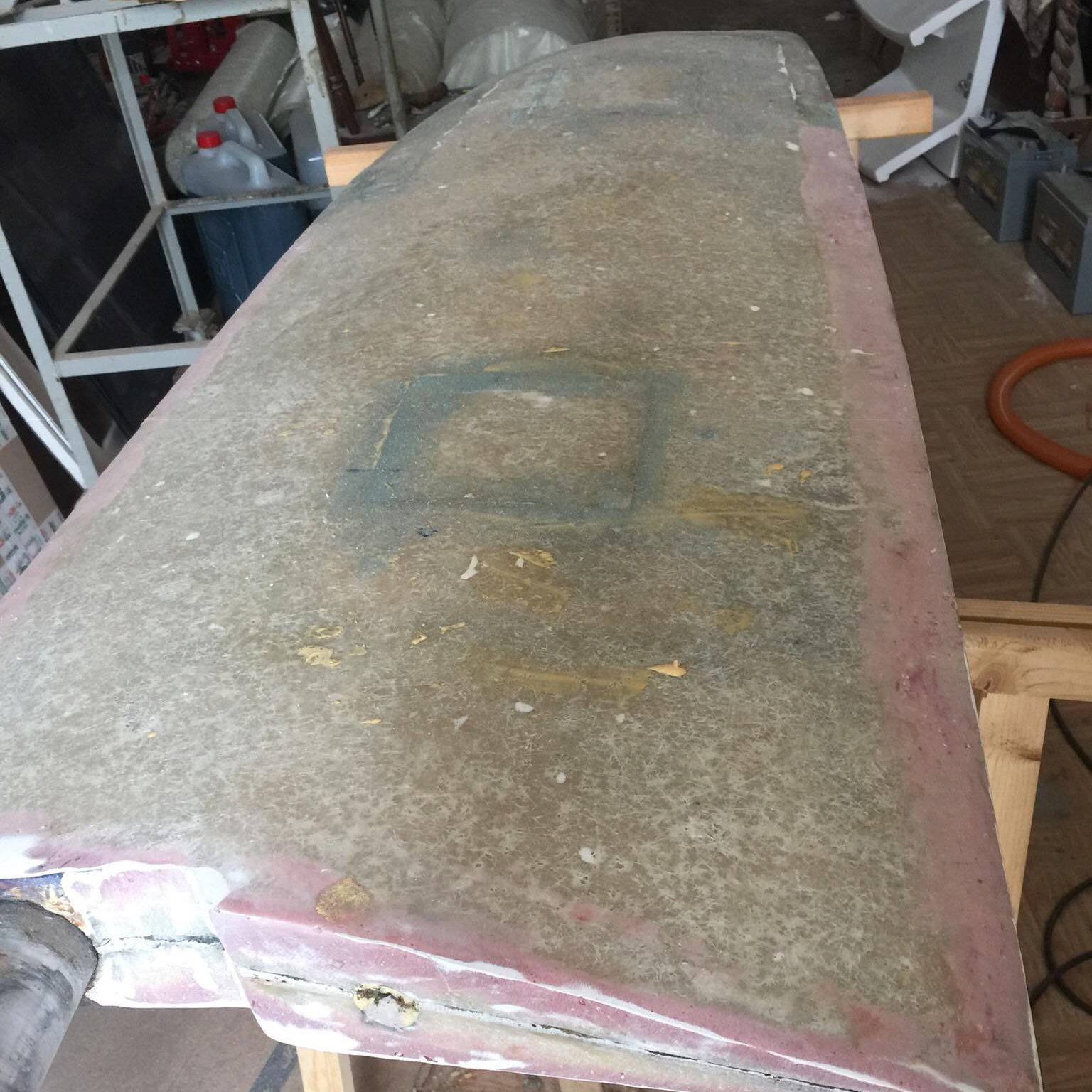
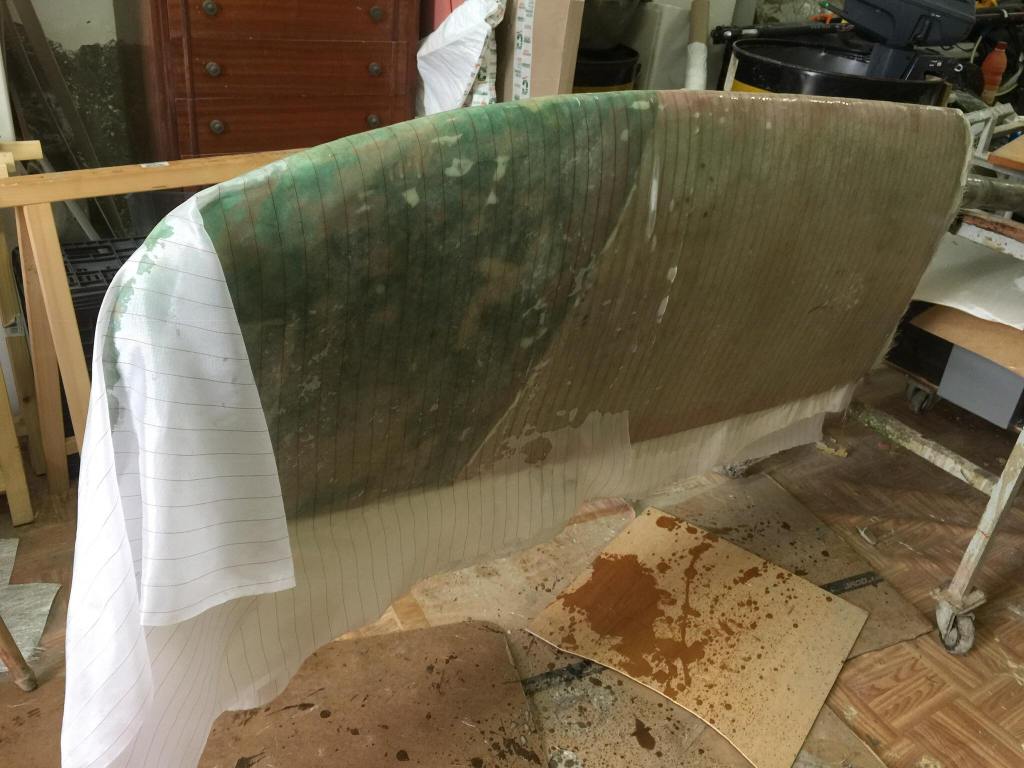
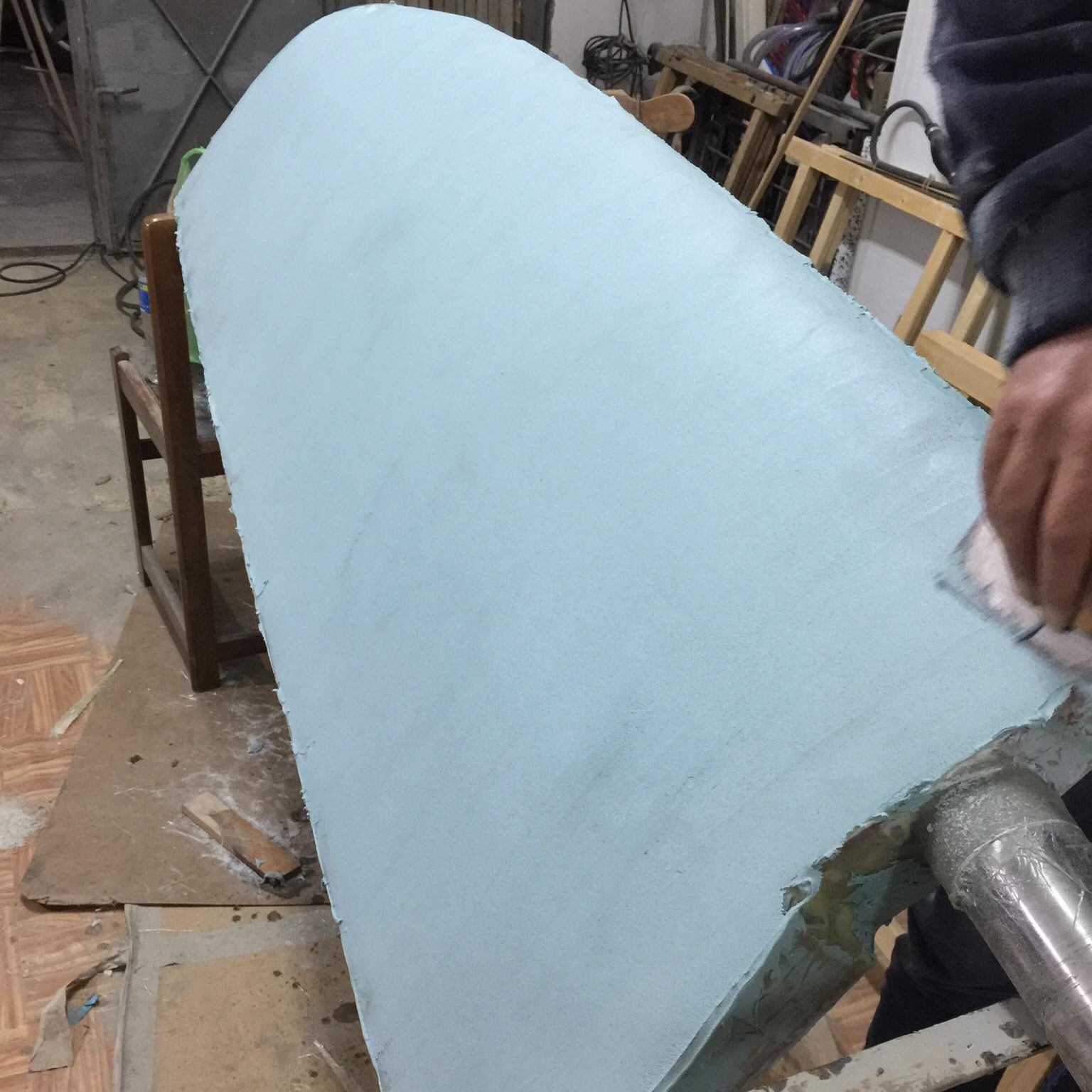
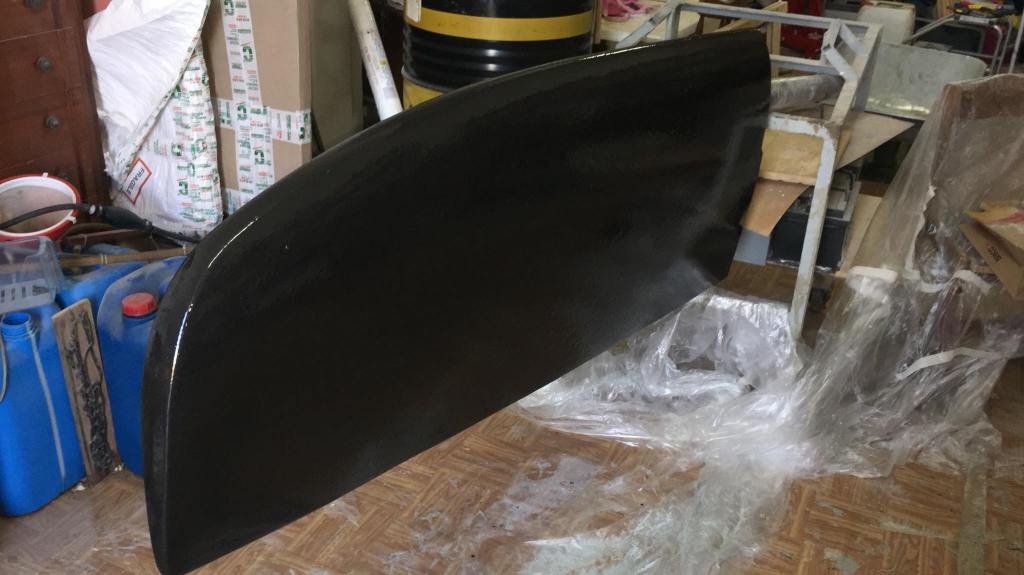
After drying everything, we started to reconstruct the rudder.
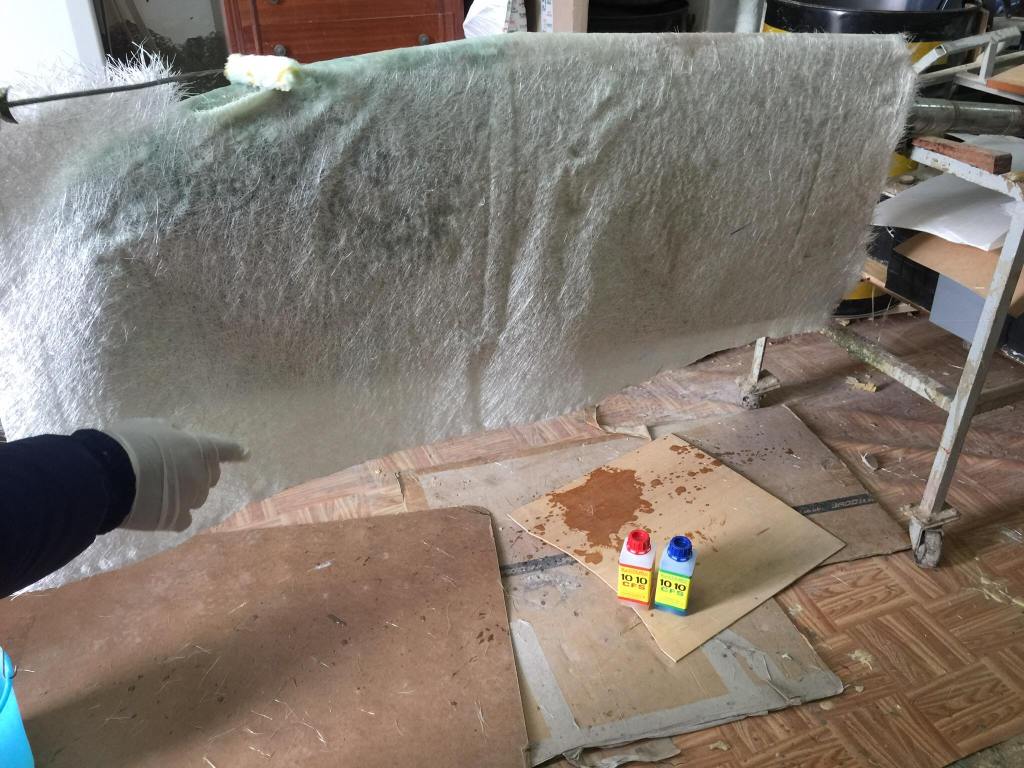
Now comes the delicate fiber part.
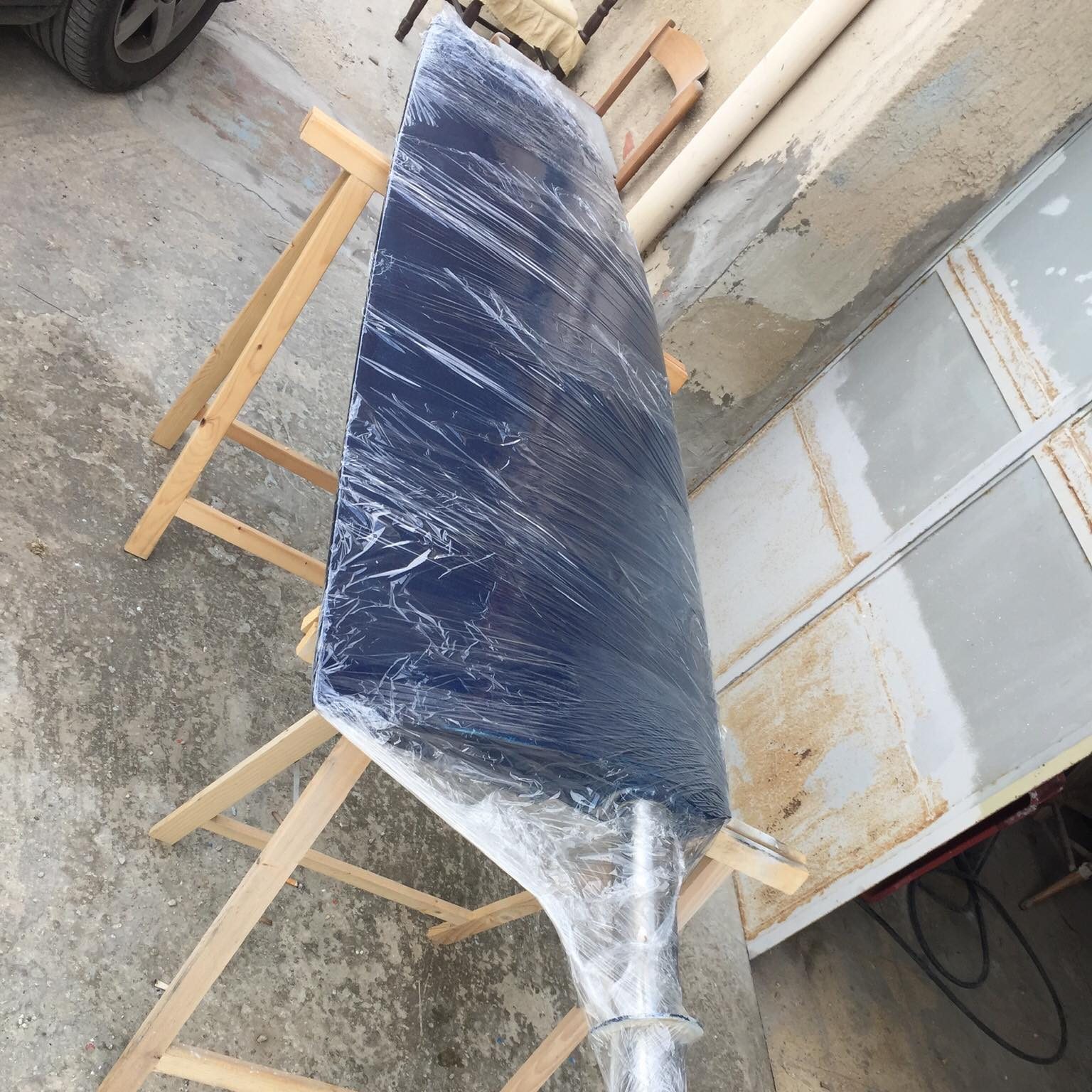
It was hard work, but we were rewarded by a positive outcome, and the owner was grateful that we could save his rudder.
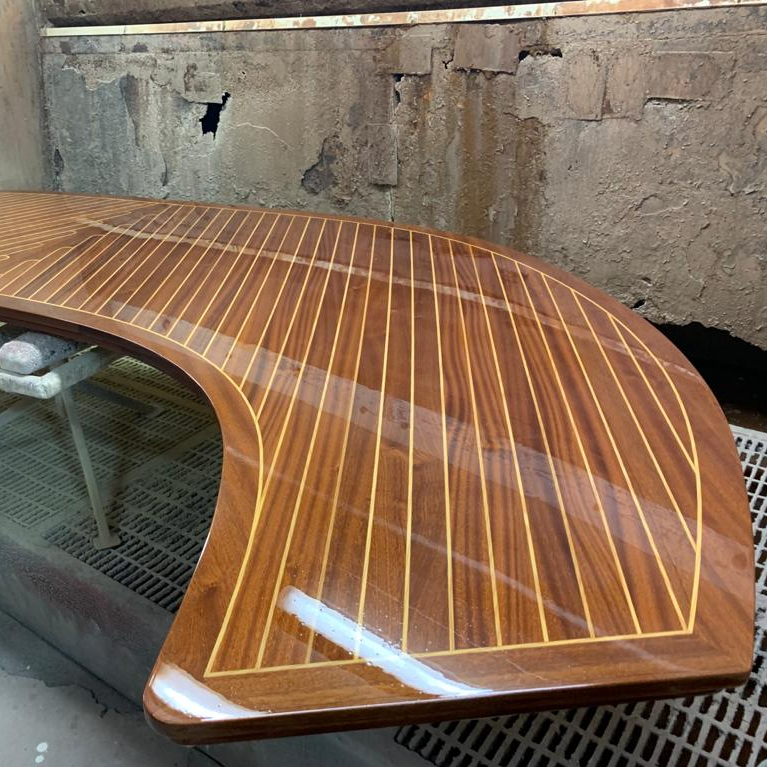
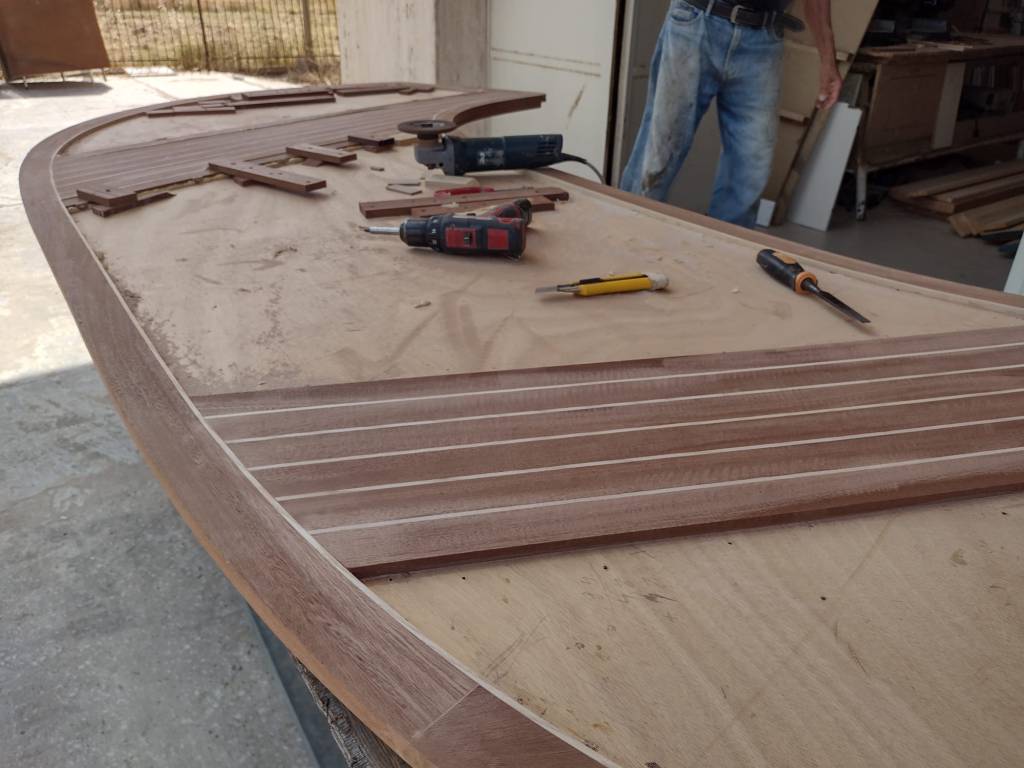
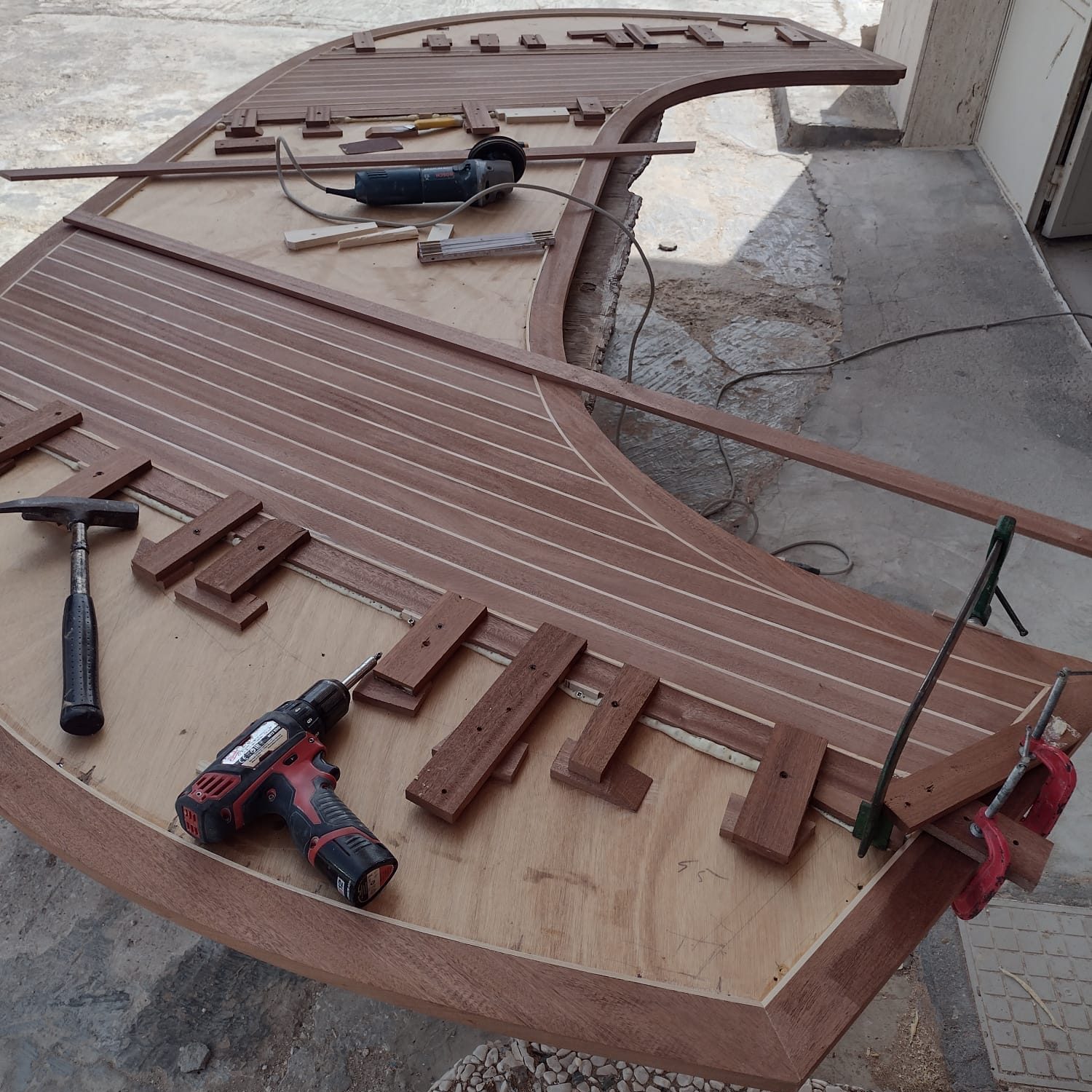
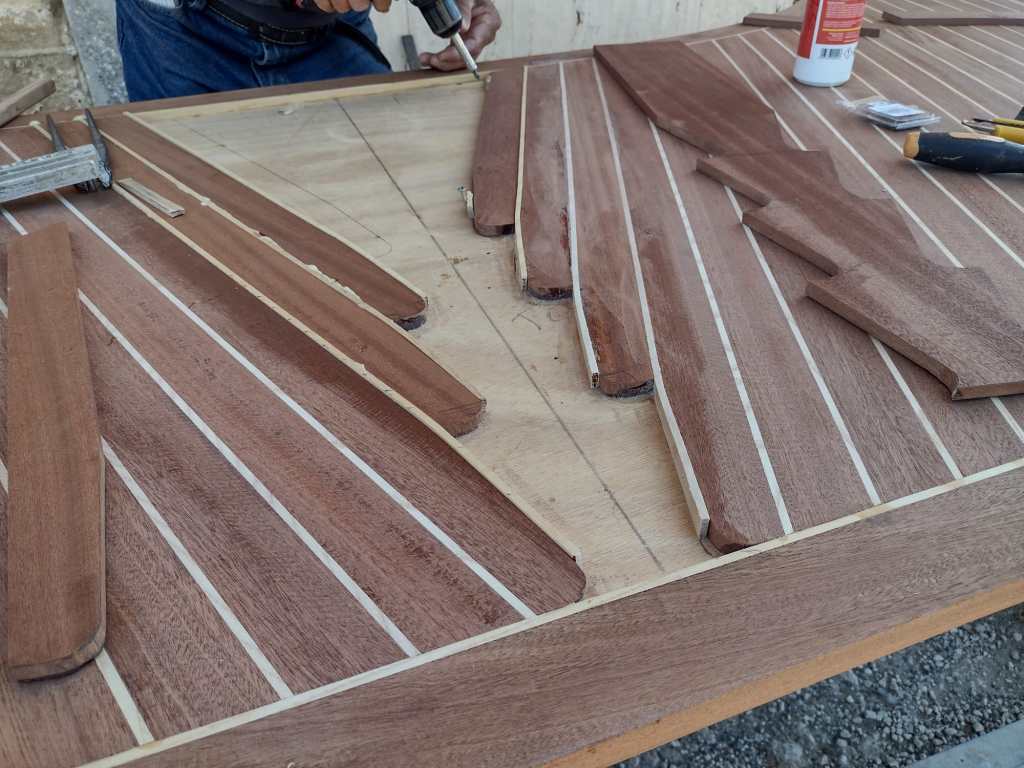
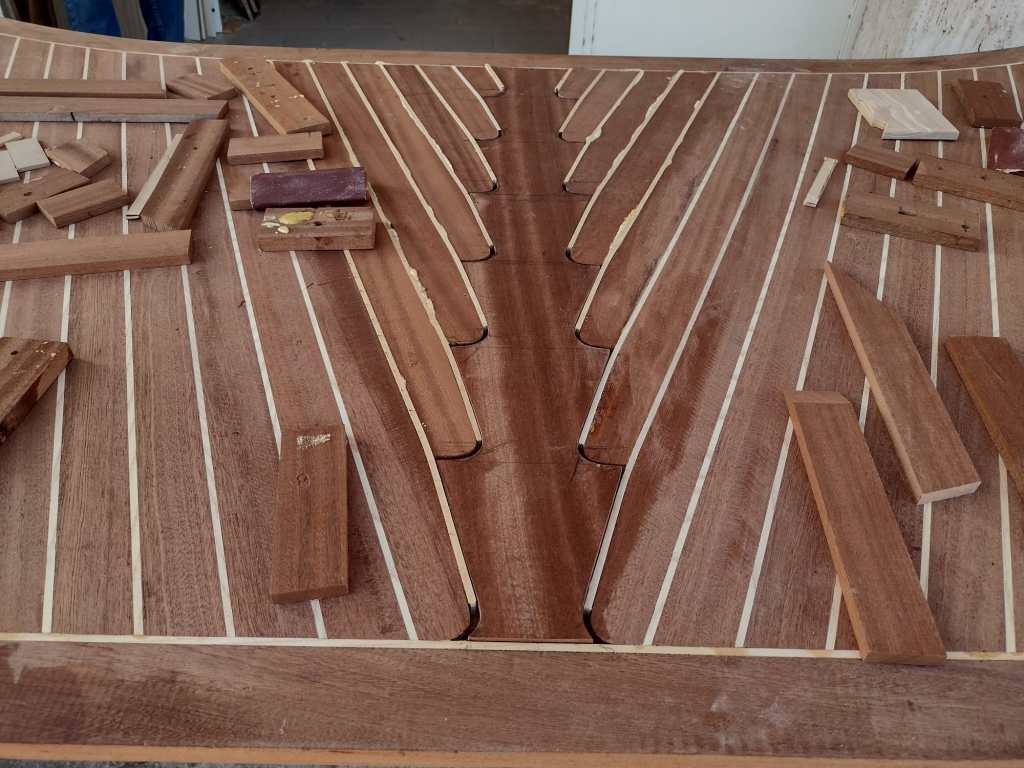
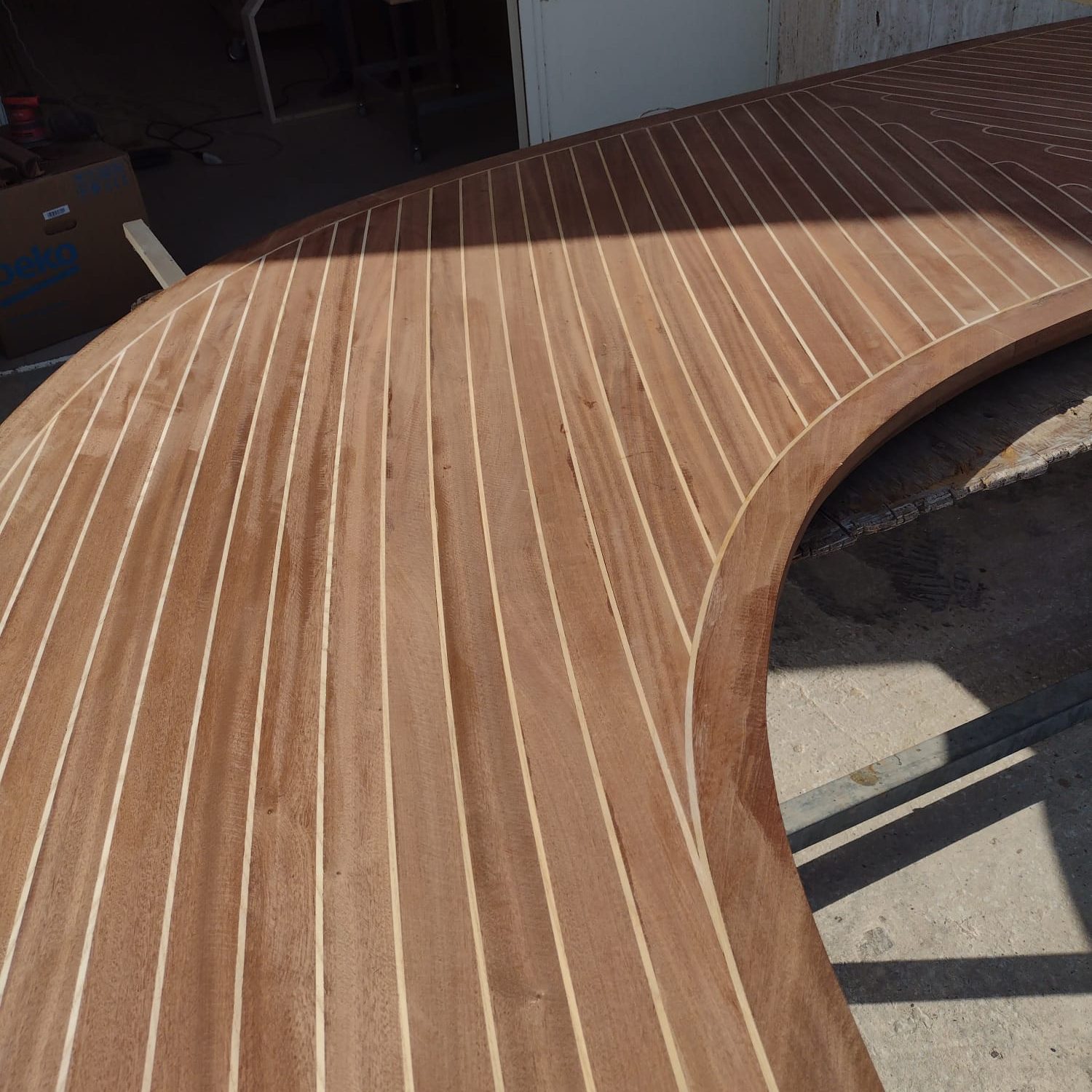
This project was both a challenge and a statement. The shape was designed to make the perfect office table, and we wanted it to be both luxurious and solid. We wanted to achieve the same result as one can remember with the classic Riva Tritone’s of the 60’s. This implied a multi-layered transparent varnish which would reveal the quality of the wood work beneath.
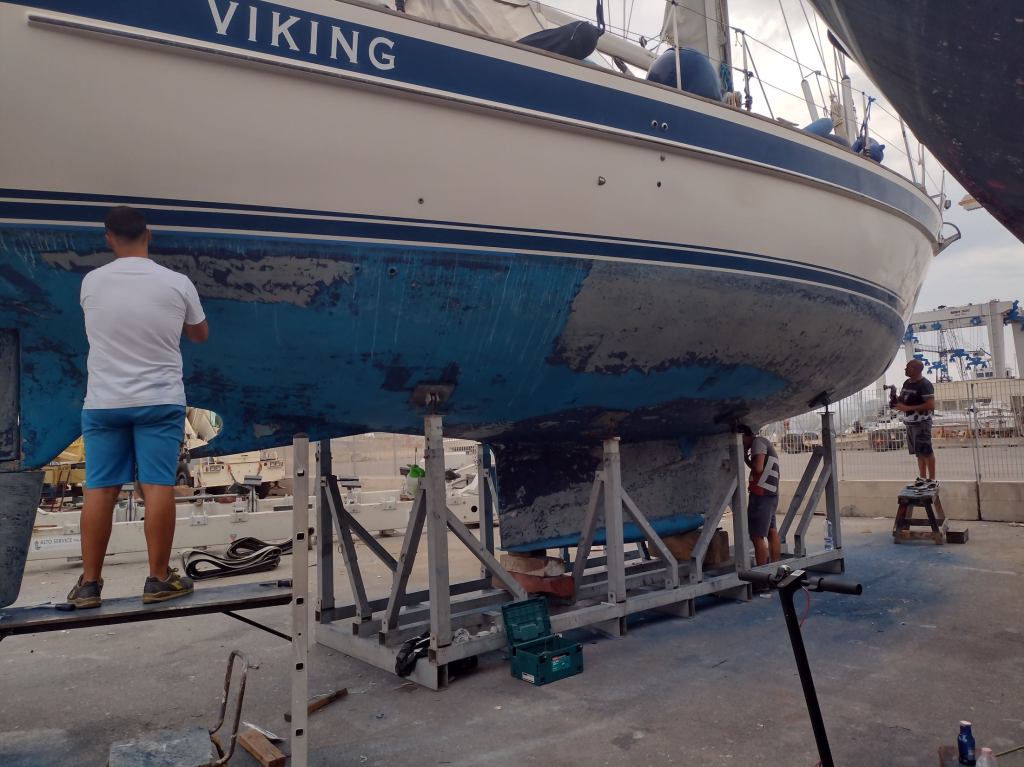
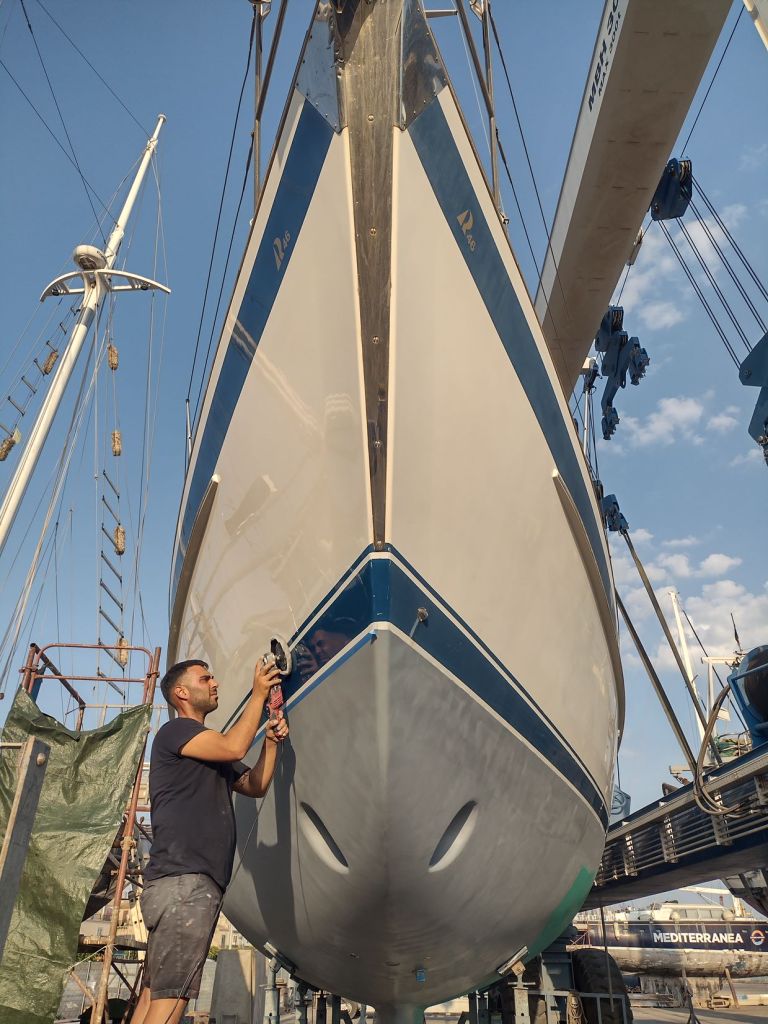
On this sailing yacht, the owner came to us asking not only for the classic season hull antifouling and cleaning, but as well for a global polishing which would make her look like new.
We do hull polishing very often for our client, and we know there are no short-cuts: it’s a labor intensive hard work leaving no little details out.
It is also a very rewarding job, as you can see the look on the face of the owner when he discovers his boat as if it was new.
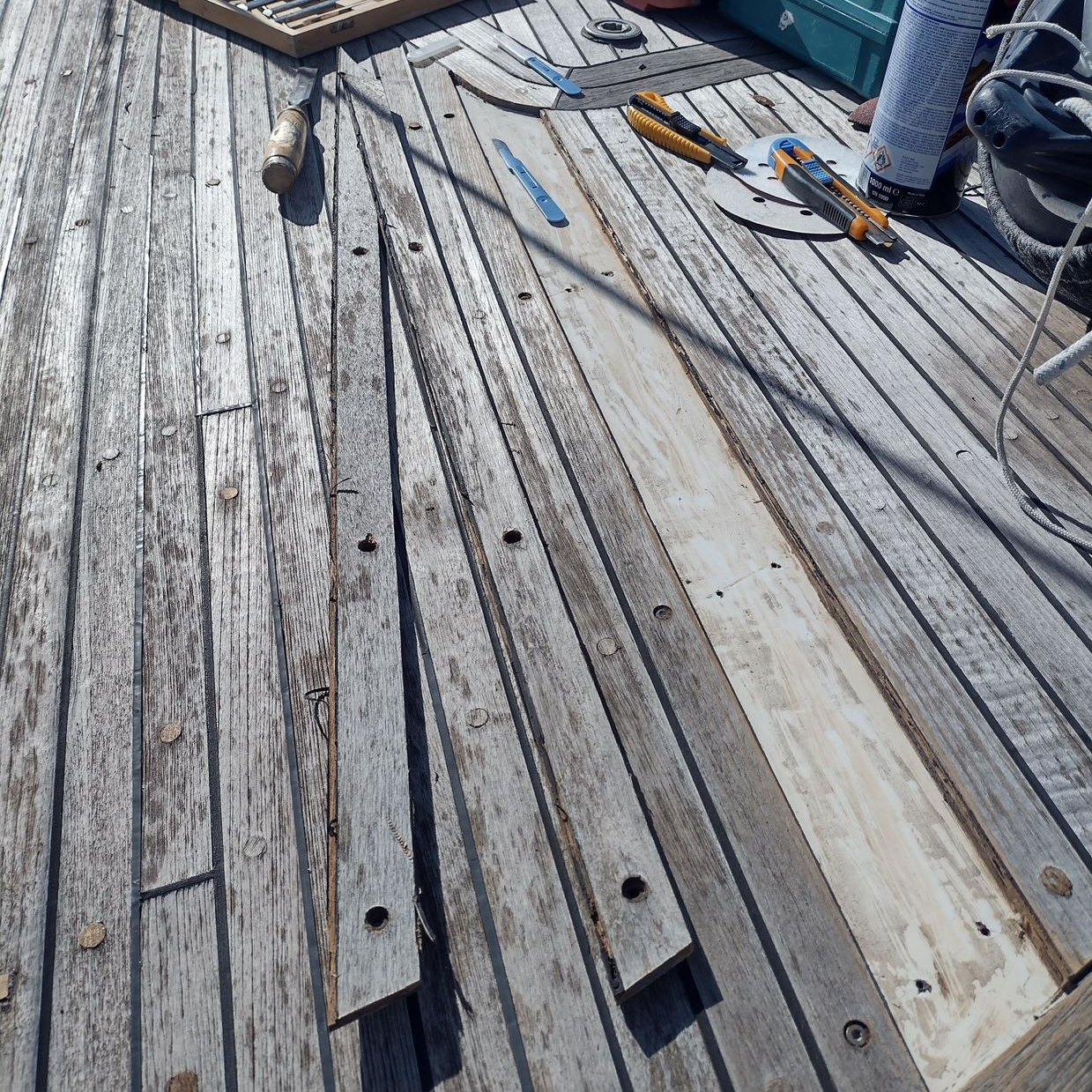
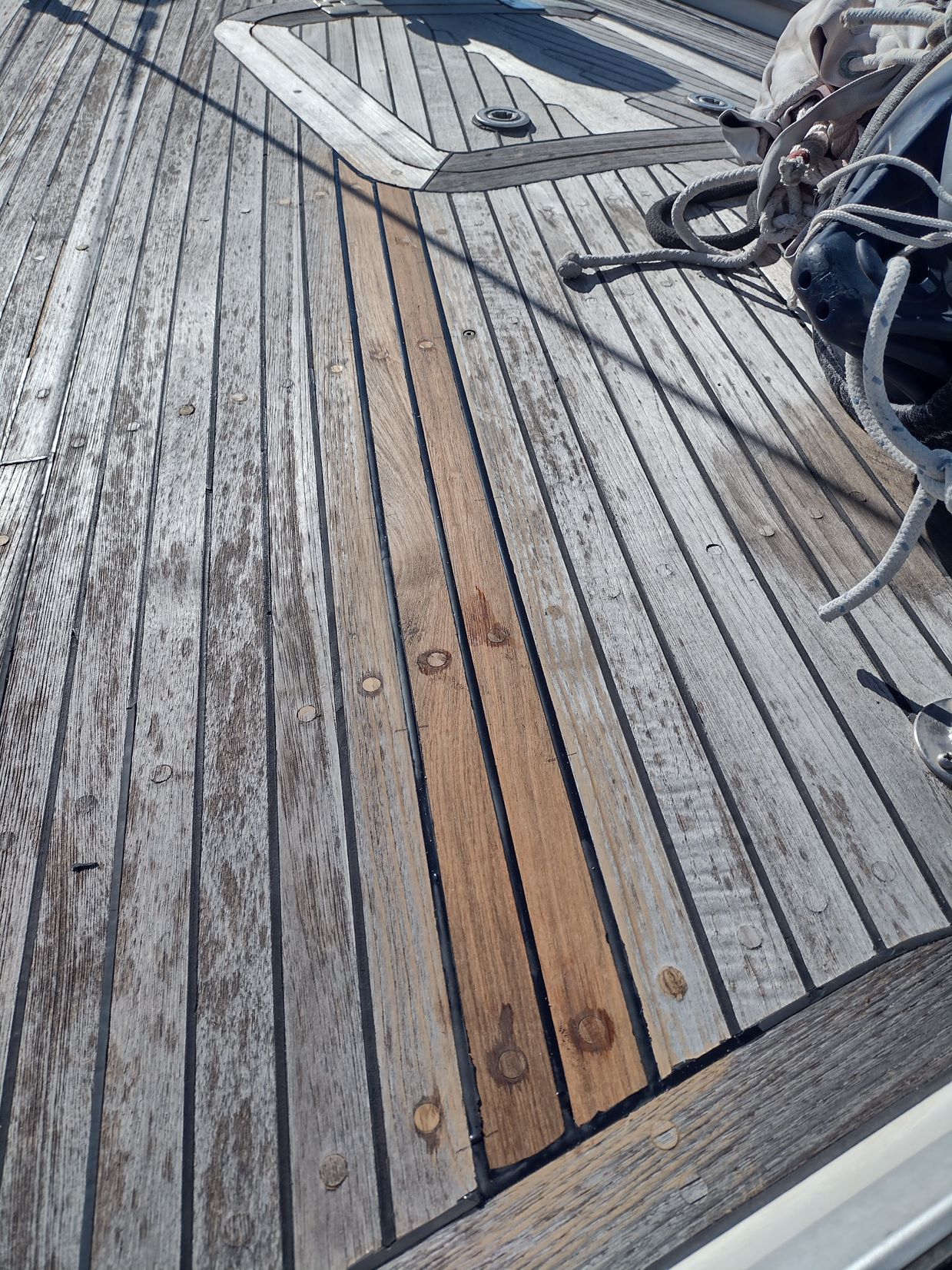
This sailing yacht was showing quite some signs of weakness in many respect. The teak deck was in its original condition, with many signs of wear and water infiltration.
The owner was considering a global renovation at some point, but he came to us with the starting point of repairing some of the foredeck teak cover witch had gone lose. We were able to reuse the original teak pieces after some renovation work on them.
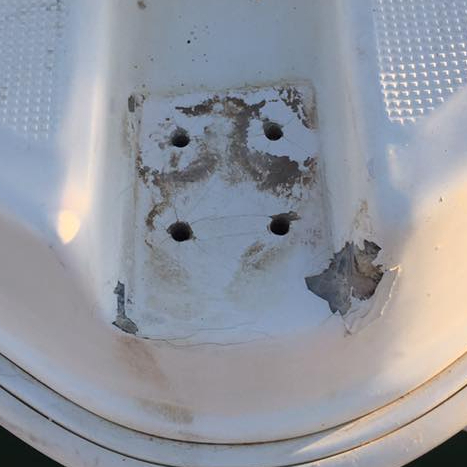
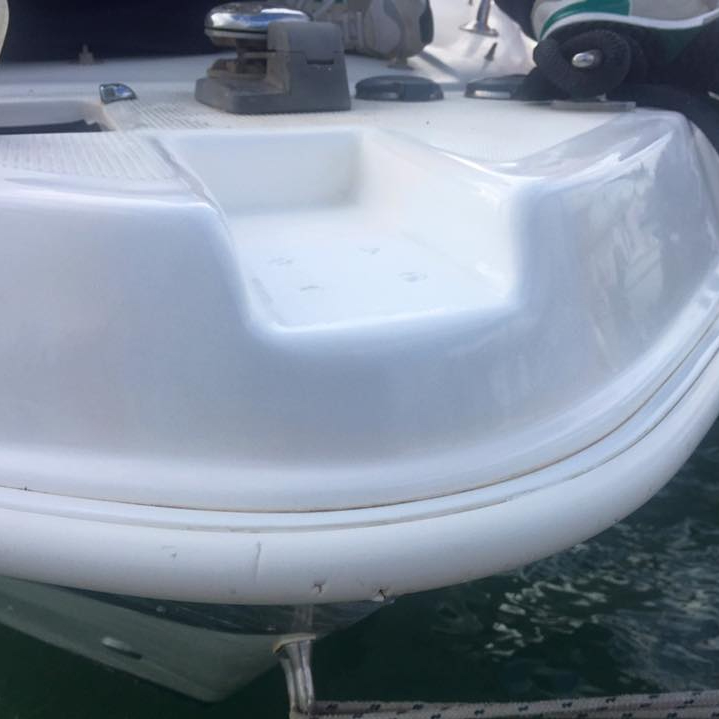
This was a quick project we did for an owner with a big gelcoat problem at the bow of his boat. When the repair is so large, it requires quite some time as we have to let is dry many time before we are in a position to start the polishing.
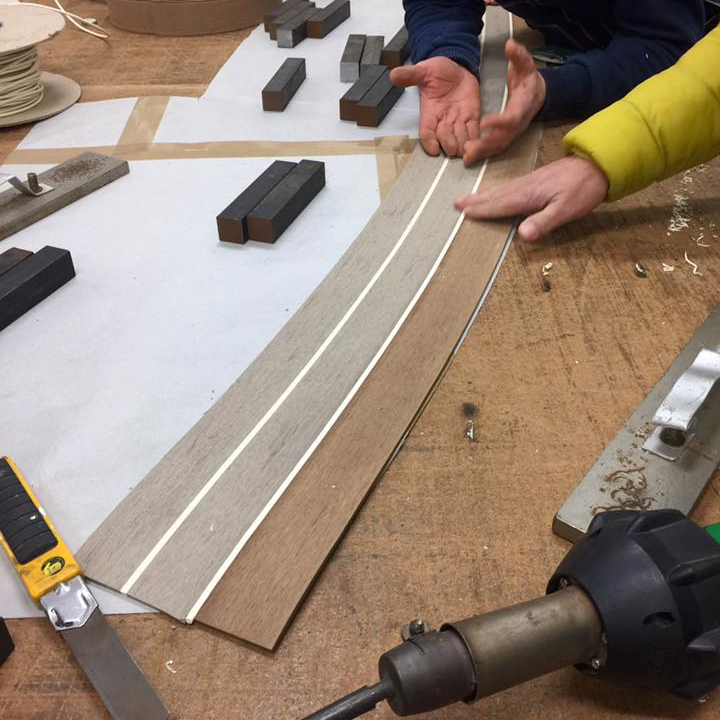
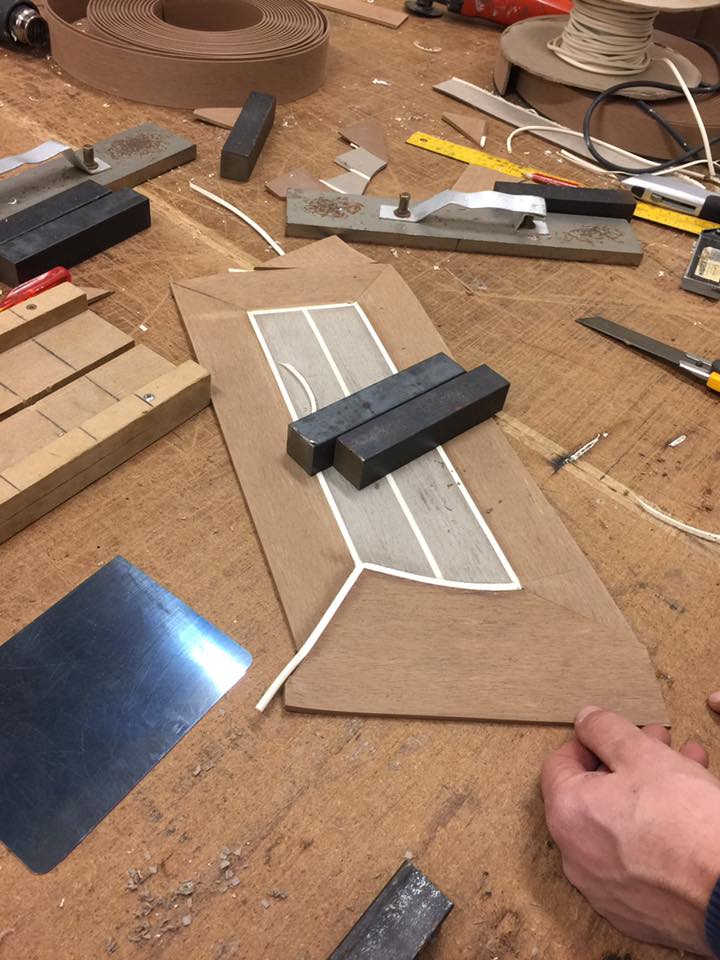
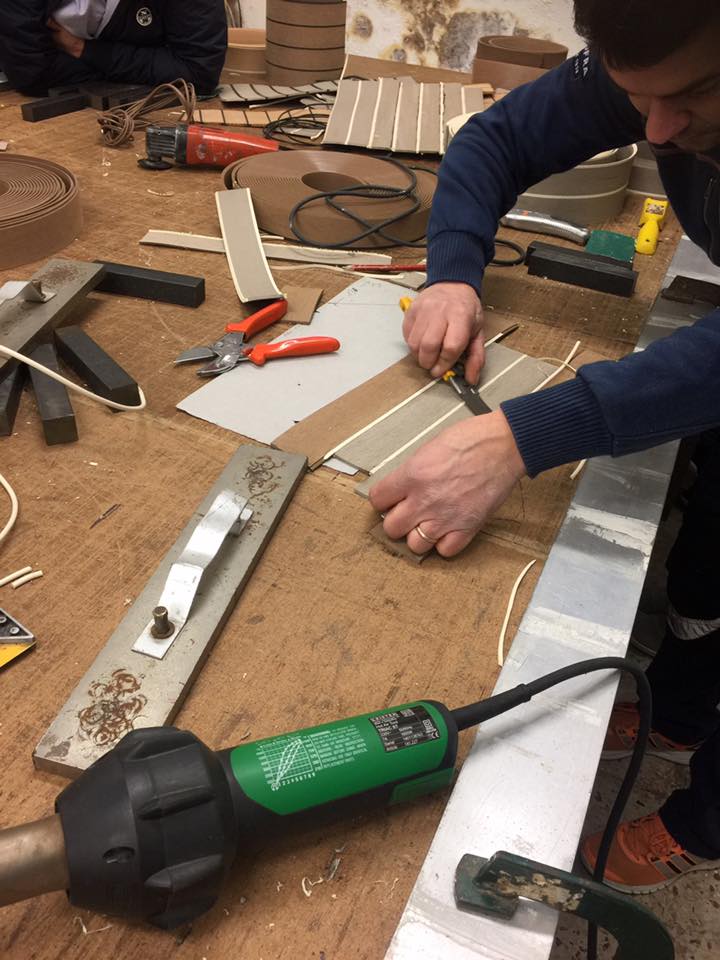
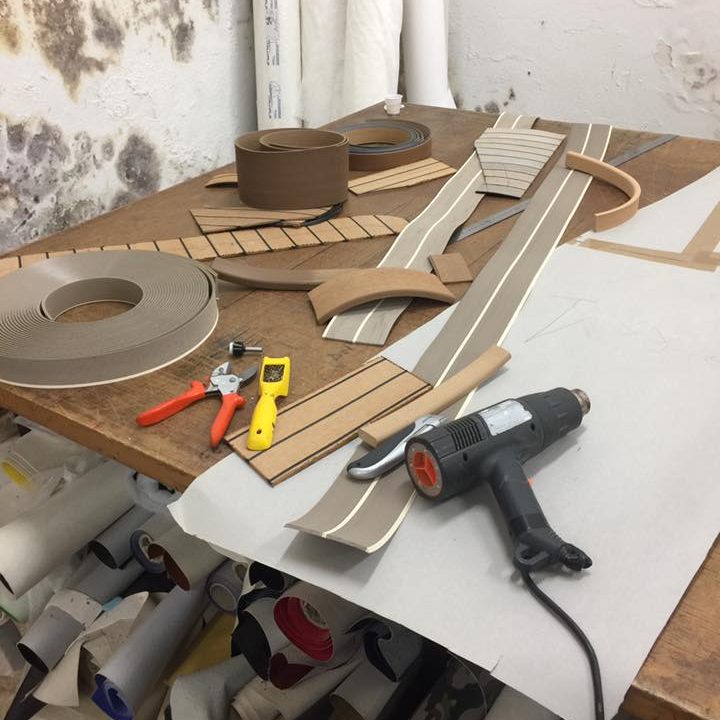
As though this is more a GRP project than a carpentry one, as it aims to replace the classic teak deck cover, we set it here for comparison purpose. People, meet Permateek, one of the leading synthetic (PVC) decking out there.
“Permateek marine decking and flooring can be fitted to almost any surface including GRP, wood and steel. The boat decking’s flexible nature allows it to be shaped or contoured with ease. It has a roughened surface that looks like natural grain and is an exceptional non slip boat marine flooring, even when wet. It also incorporates sound insulating benefits. Once fitted, Permateek will enhance the appearance and value of any craft whether it be a motor cruiser, power boat, sports RIB, sailing yacht or dinghy.
Permateek is highly resistant to sun, rain and seawater, and, when wet, its non-slip qualities remain equally effective. There are so many advantages to fitting Permateek synthetic decking to your boat that you will wonder why you have never done it before.”
Permateek company
To be completely honest, this one the first time where asked to use this material to decking a sailing boat. In Licata we have such a good craftsmanship carpentry tradition that we would usually provide our client with the original teak cover. So we had to get acquainted before starting the job.
Most of the layout preparation was done at our workshop.
We confess despite not being actual teak, it does look good.






















 boatservicelicata.com